Overcome these 6 barriers to maximize returns profits
Studies in the past decade have shown that a lenient returns policy yields more profits. Some businesses even use it to become a distinct business differentiator. Take European eyewear retailer, Mr. Spex as an example.
The company sends multiple pairs of spectacles to a customer, who then keeps their favorite pair, and returns the rest. This approach helped Mr. Spex lower risk for consumers, and gain a legion of loyal customers, contributing to significant growth in recent years.
For most other online retailers, brands, and marketplaces, returns are just as important. In the past 10 years, e-commerce sales have tripled–leading to a massive surge in returns. In 2021, US consumers returned 78% more than in 2020. This surge also means that the average return rate is now at 30%--and rising.
Businesses can’t afford to ignore RETURNS
To find out more about how returns affect e-commerce businesses, we conducted a survey through our logistics intelligence arm, Parcel Monitor. From this survey, we found that 75% of consumers are more likely to buy from a retailer that offers free returns.
Here’s what we found from other studies:
75% of consumers look for easy return policy when deciding where to shop
81% of consumers will switch retailers if they had bad returns experience
92% of consumers will buy again if their returns experience was easy or positive
The case for returns is getting stronger as consumers start getting more shopping options. But the path to profitable returns is not an easy one. Today, there are several barriers that e-commerce businesses face.
Barriers to profitable RETURNS for e-commerce
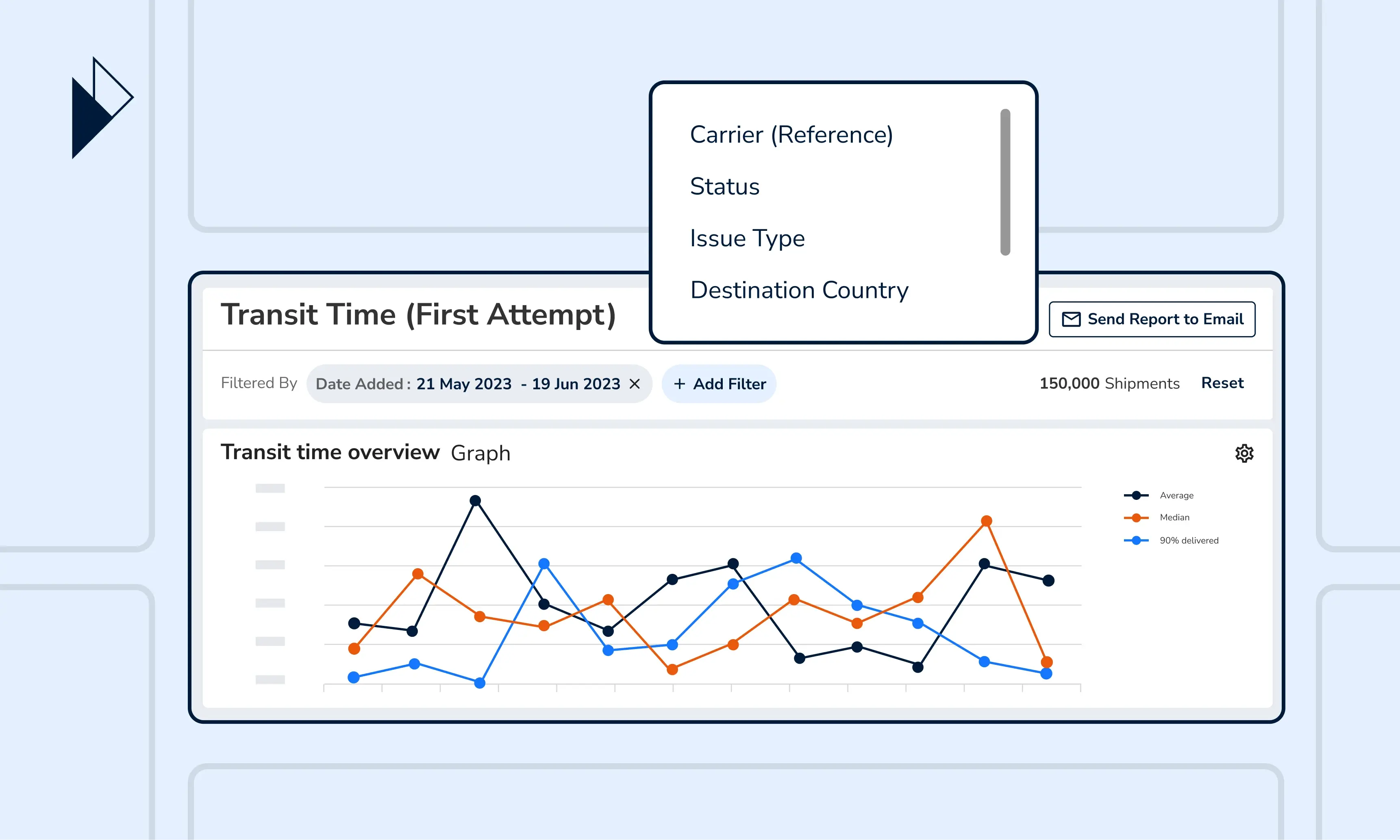
Lack of returns tracking capabilities - E-commerce businesses are starting to realize how important parcel tracking is. The same is true for reverse logistics or the returns process. By tracking parcels as they make their way back to your business, you ensure that each return is accounted for. With advanced analytics, businesses can forecast returns, and ensure optimized inventory or resource management.
Insufficient customer communications - Returns visibility has always been a problem. Customers are unsure when they will get their refund approved, while merchants have no control over when returns will happen, or what will be sent back. With a digital returns management system, customers get notified at each returns touchpoint, while merchants get informed much earlier so they can prepare inventory for a return.
Businesses still use paper return labels - Paper return labels are convenient for customers. However, they are not environmentally friendly and are often used fraudulently. With digital returns management, e-commerce businesses can avoid sending physical return labels altogether. By automating the returns process, customers can only print labels for approved items. This approach reduces the chances of purposeful or accidental fraud and greatly reduces the need for return labels.
Siloed returns management system - As your business grows, it accumulates various systems and software. And if each system or software is siloed, your business could end up with multiple inefficiencies–or worse, lack of data security compliance. The ideal solution would be to use a returns solution that is part of a full-featured platform. Taking this approach ensures both inbound and outbound parcels are tracked on the same platform.
No integration with existing systems - The returns process is relatively complicated. On top of tracking inbound parcels, your business needs to know what the parcel is, and when it will be returned. By integrating it with your e-commerce platform, inventory management system, customer relationship management systems, and other software your business uses, you can automate data sharing and ensure a seamless returns process.
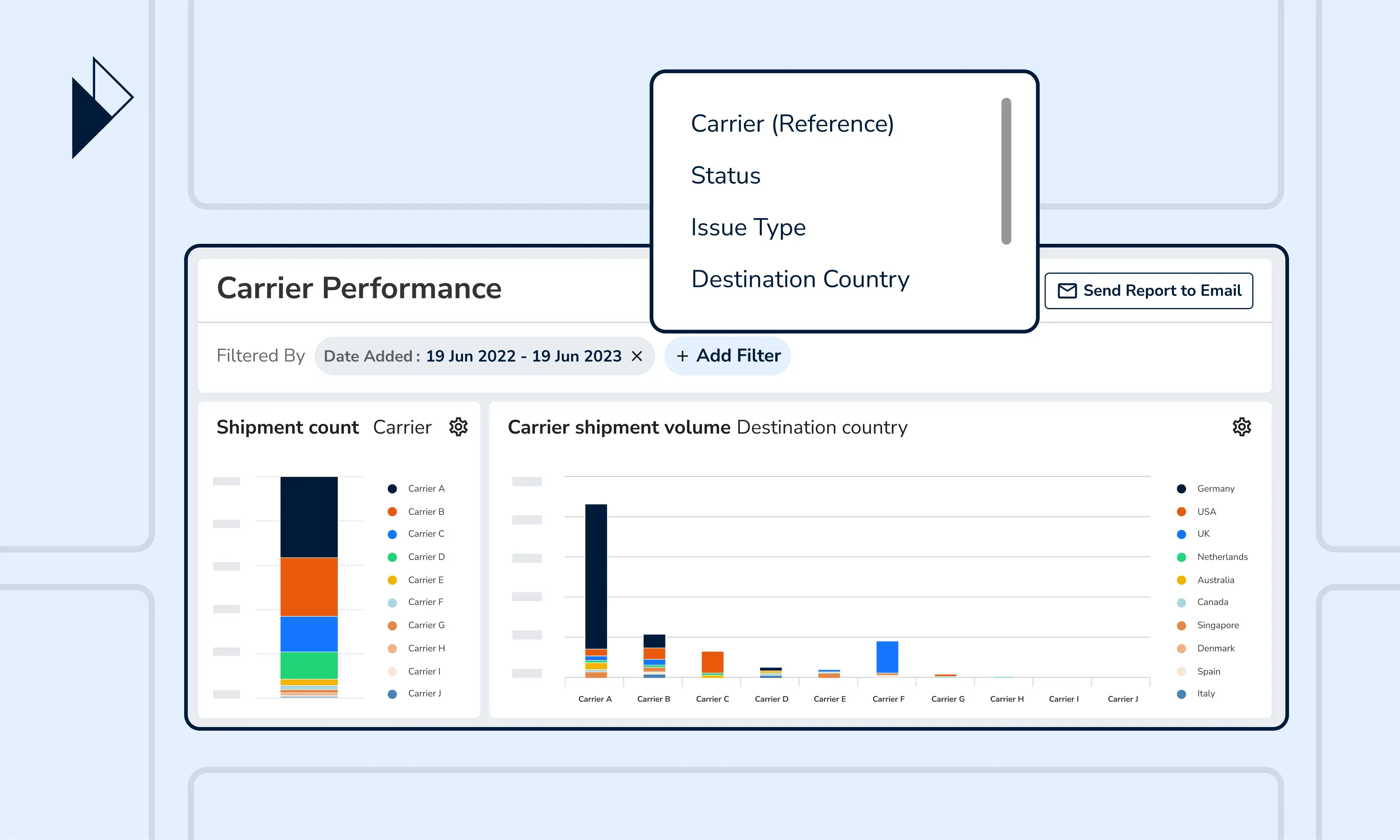
Rising costs of returns management - Returns are expensive but necessary. With logistics data, costs associated with returns can be mitigated. Your e-commerce business can use warehouse and logistics data to automate and streamline the end-to-end returns process, control and reduce shipping costs, and manage inventory levels. Most importantly, however, you can improve the customer’s returns experience to improve customer loyalty and retention.
E-commerce returns can be challenging for businesses. But with logistics data, your e-commerce business will find it easier to streamline the process and reduce associated costs. With Parcel Perform’s data and delivery platform, you can offer customers a seamless returns experience that keeps them loyal to the business.
By understanding the barriers to returns profitability and using logistics data to overcome them, your e-commerce business can ensure that returns are a business advantage, rather than a hindrance to success. Get a personalized demo of the Parcel Perform Returns feature today. Simply talk to your key account manager or request a demo to start your returns journey with us.

You might also like
Ensure your delivery and returns experience is ready for peak season
Here's how to reduce the cost of returns while laying the foundation for a seamless delivery and returns process.
Oct 19, 2023