How to minimize inventory management costs for Returns
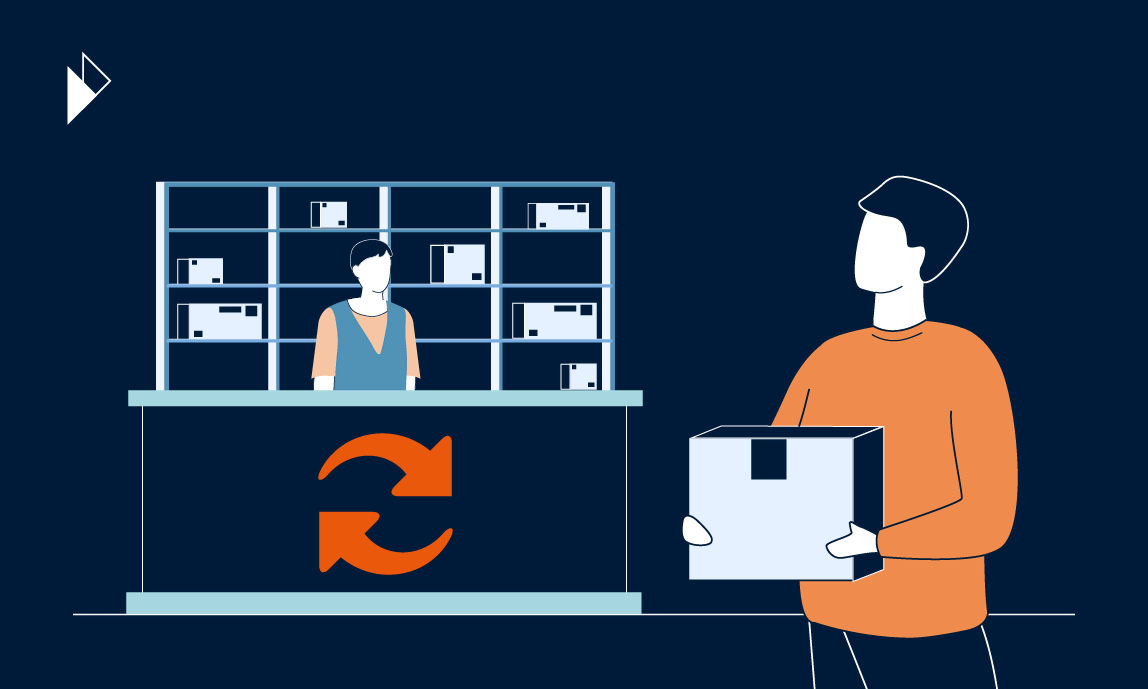
For e-commerce businesses, returns have always been an expensive but critical part of the business. Besides high shipping costs, merchants have to grapple with inventory disruption–and the resulting costs. Returns, or reverse logistics, complicate inventory management because returned products need to be processed or disposed of. That can lead to additional costs in terms of manpower, errors, or even wastage.
To minimize costs for your business, having a robust strategy for returns inventory management is essential. Here are some tips on how you can minimize costs while offering customers the option to return their orders.
Come up with a clear, fair, and flexible returns policy
Your returns policy should clearly state your returns rules. Be sure to indicate the acceptable time frame, reasons, conditions, and methods that customers can use to return unwanted items. Ideally, it should also indicate additional options such as exchange, refund (partial or full), or store credit that customers can use. Having a customer-centric returns policy also helps reduce confusion and disputes that can arise during the returns process–keeping customer satisfaction high. As a result, your customers not only get the confidence to buy more, they may also return less.
Implement a digital returns management solution
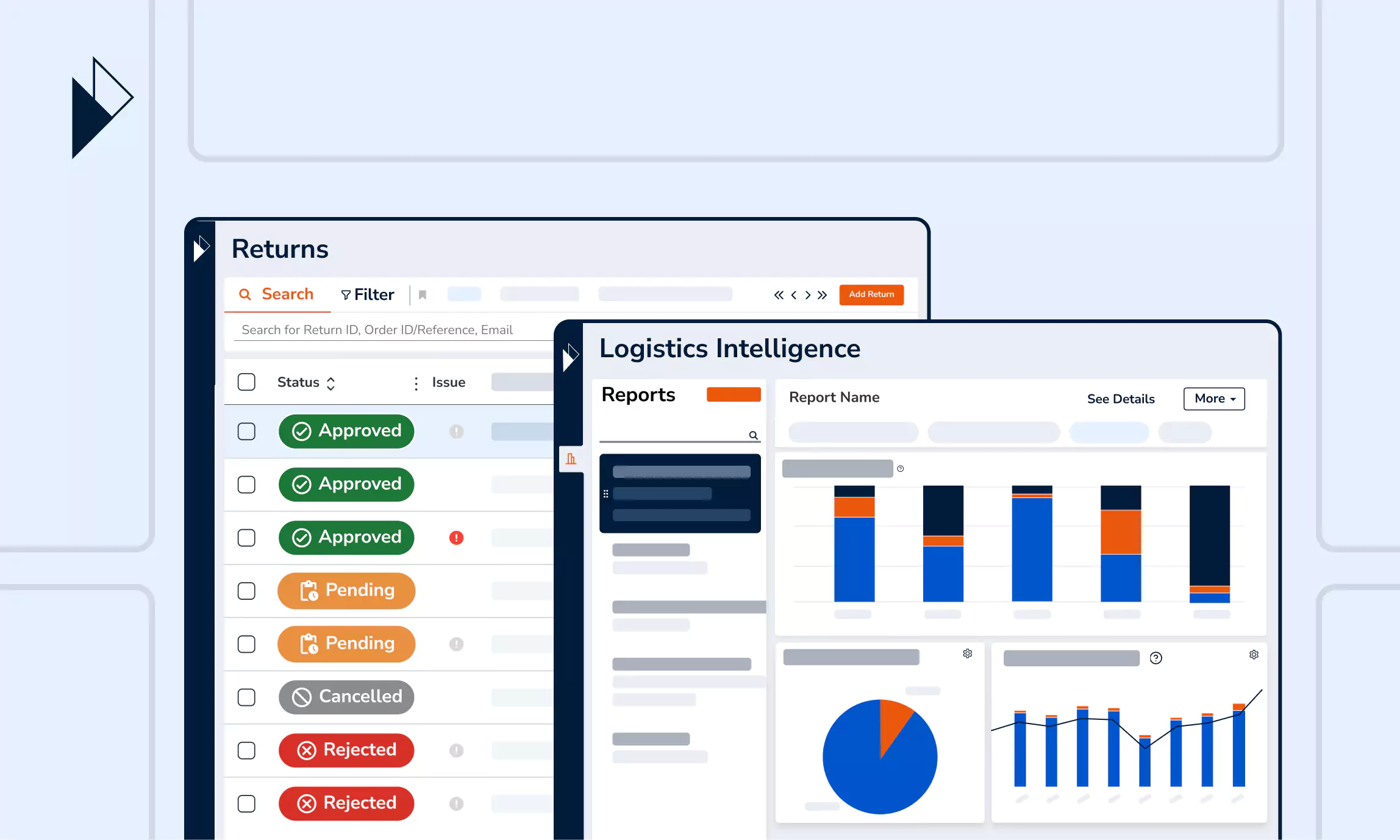
A digital returns solution is fast becoming indispensable for e-commerce businesses. It not only helps you track inbound shipments, but it can also automate key steps in the returns process to make it as smooth as possible for your customers. Once a return has been approved–either automatically or manually, depending on your policy–your digital returns solution can also track and monitor the status of the returned item. Being able to track a shipment lets you release refunds early, so they are free to repurchase with your business. But it’s much more critical for your internal teams as inbound shipment visibility gives them the insights needed to keep inventory in order to prevent overstock or wastage.
Use data and analytics to optimize returns
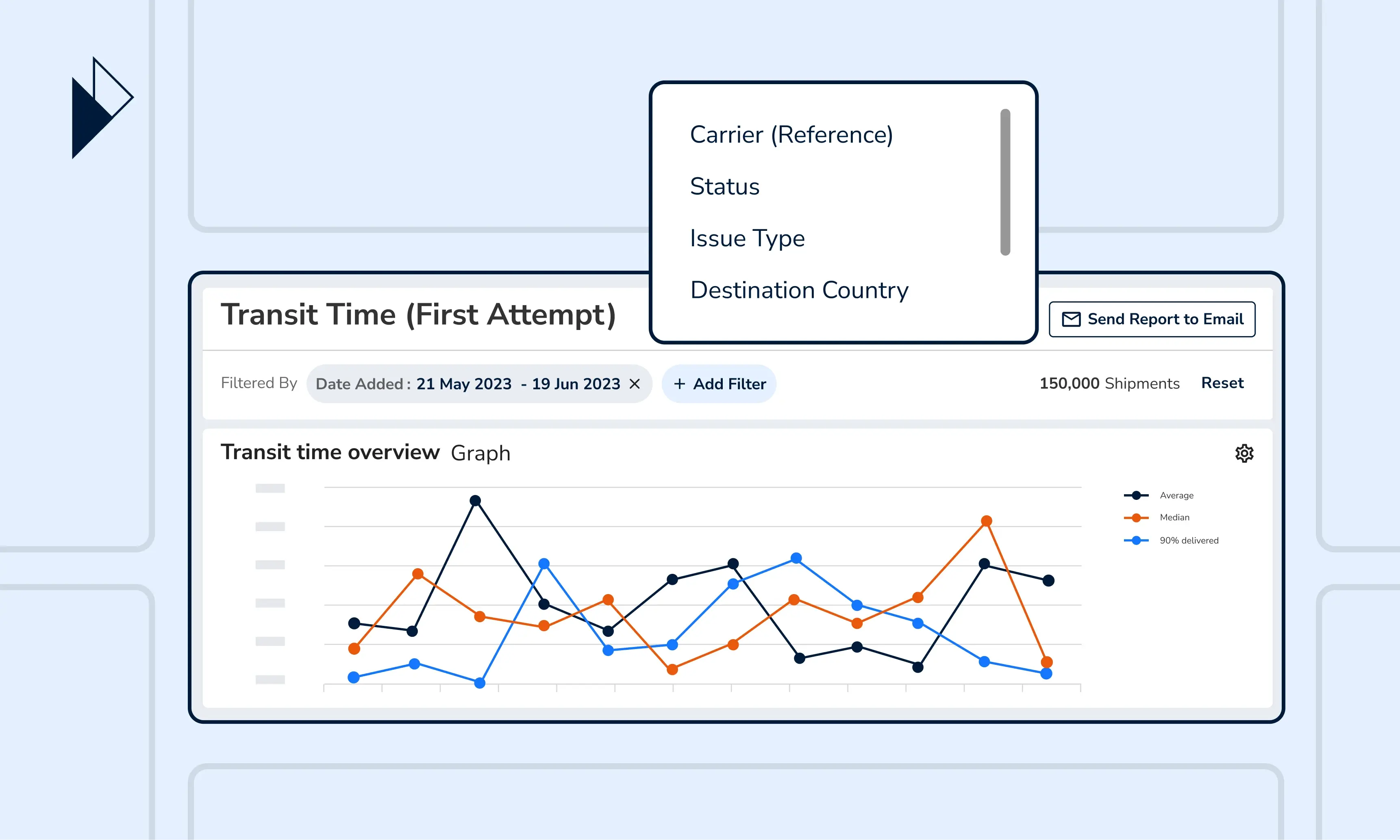
The data insights generated by your returns solution are also incredibly valuable. These insights can be used to understand why your customers are returning items, and how to best manage the impact. For instance, through analytics, you can easily tell which products are being returned the most, which channels do they come back from, or which category of customers are returning them. From there, you can strategize on how to improve the product to reduce return rates.
Partner with a third-party logistics provider (3PL)
Third-party logistics providers (3PL) are quickly becoming the go-to solution for e-commerce businesses. By outsourcing returns or reverse logistics to 3PLs, your business can reduce the need to take on the costs and effort associated with returns inventory management. Most 3PLs today have developed specialized infrastructures to handle reverse logistics–from tracking to sustainable disposal of low-cost items to reselling of products via secondary channels.
What we’ve pointed out are just some of the ways a data-driven approach to returns can help lower inventory management costs for your e-commerce business. To find how Parcel Perform’s digital returns solution can help lower your costs, request a personalized demo with one of our e-commerce experts today.

You might also like
Overcome these 6 barriers to maximize returns profits
The path to profitable returns is not an easy one. Here are several barriers that e-commerce businesses face.
Dec 14, 2023