Peak Season 2021: What E-Commerce Retailers Need to Know to Prepare for It
Sep 21, 2021
Last year’s peak shopping season saw a dramatic increase in e-Commerce activity around the globe as the world adjusted to the new normal. Now, as economies begin to emerge from the pandemic, we can start to define the new direction that festive season shopping is heading toward and the trends that are here to stay.
What strategy can E-commerce retailers expect to adopt and what are some of the challenges that they should expect to face in the 2021 peak season? 2021 Peak season E-Commerce forecast.
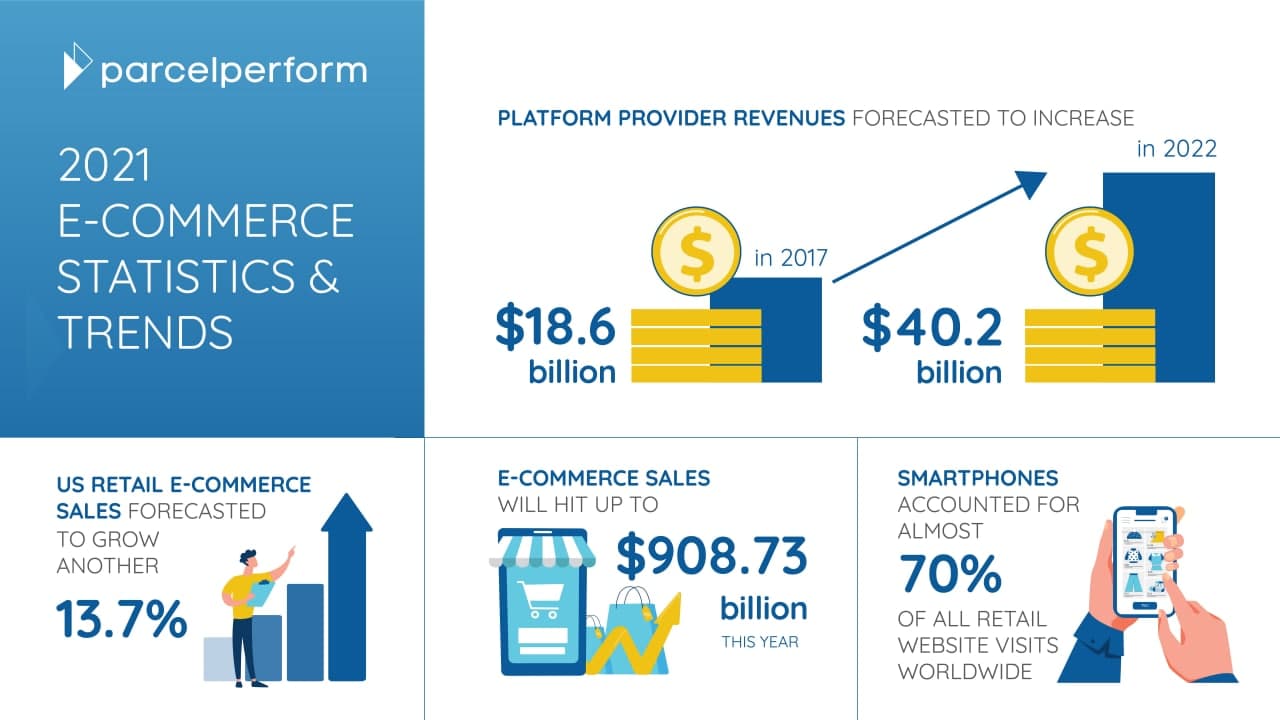
Some trends dominating the space are the prevalence of high e-Commerce sales. US retail e-commerce sales are forecasted to grow another 13.7%, and reaching almost $908.73 billion this year.
Additionally, holiday shopping is likely to start sooner this year, around mid-October, following the roaring success of 2020’s earlier roll-out on festive season sales.
Lastly, customer expectations will continue to be on the rise. Marketplaces and big retailers are setting the new standard for customer experience and fulfilment by ensuring efficiency and convenience, customer expectations will continue to rise and customer experience becomes prioritised throughout the online purchase journey.
Key e-Commerce trends for 2021 peak season
The consumer habits emerging from last year’s events have rapidly accelerated the development of several e-Commerce trends that have been on the rise across the years. Along with these developments comes the need for brands, marketplaces and fulfilment providers to keep up.
1. Marketplaces will dominate the e-Commerce space
According to data from Juniper Research, platform provider revenues in the global sharing economy are forecasted to more than double from $18.6 billion in 2017 to $40.2 billion in 2022. Digital Commerce 360 also found that in 2020, $2.67 trillion was spent globally on the top 100 online marketplaces, accounting for 62% of global online retail sales.
This spike in marketplace popularity can be attributed to a few main reasons including service industries jumping on the bandwagon, the convenience of being able to compare products across several brands and browsing a single site for every purchase covering high-end products to daily necessities.
With global and region-specific marketplace platforms growing in number, what are some key learning points from highly competitive marketplace players? To maintain an edge over competitors, leading platforms are staying agile, innovating and on-boarding new services to help sellers meet growing customer demands.
Marketplaces can stay agile with fulfilment services
Leading marketplaces such as Amazon of Shopify have paved the way for platform-integrated fulfilment services. For instance, Shopify Shipping allows brands to connect their merchant accounts with Shopify’s shipping carrier accounts and partner providers. This provides sellers with scalability in their operations as they don’t need to worry about warehousing or fulfilment needs, especially during high volume periods like peak season.
Additionally, the burden on retailers to provide the best fulfilment options are growing increasingly high with about 75% of consumers expecting free shipping, including on orders less than $50 (National Retail Federation report). Marketplace fulfilment services ease these burdens on their sellers and are able to provide multiple shipping options for customers to pick from.
How Parcel Perform works with marketplaces
Despite the attractiveness of marketplace fulfilment services, many platforms still leave the delivery process up to individual sellers or only provide such services to a greatly limited extent. The main reason lies in the technology and complexities involved in implementing such platform-wide services.
Marketplaces will need to manage large amounts of disperse logistics data sets across hundreds of thousands of global merchants to provide end customers with a consistent delivery experience.
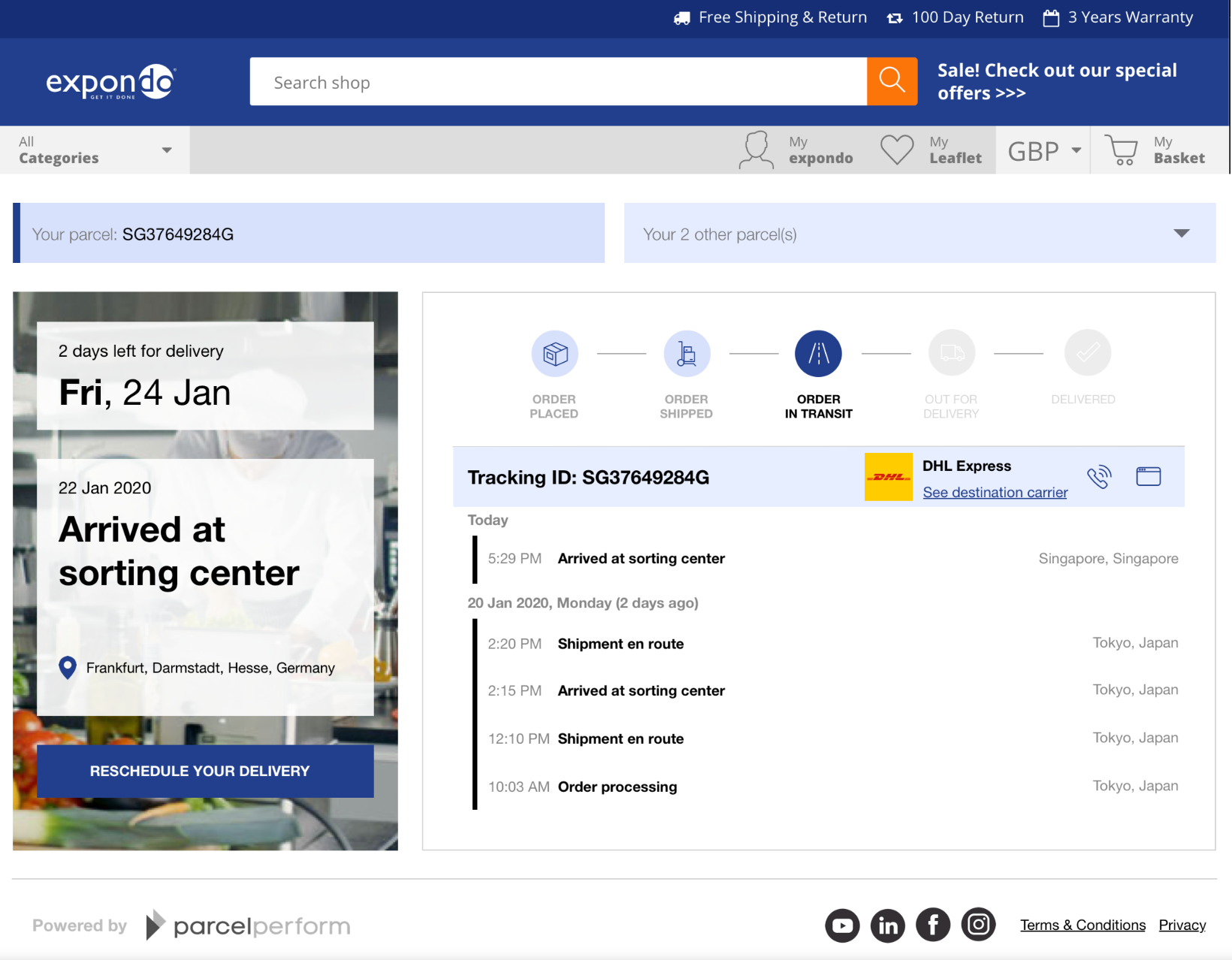
To combat this, Parcel Perform has built an enterprise software integrating comprehensive parcel tracking data from hundreds of global partner carriers into one centralized data feed. Marketplaces including Idealo, Zalando and Shopify currently leverage our solution to support their fulfilment services and provide the best post-purchase experience for their customers.
2. Rapid shift towards mobile-commerce
According to Business Insider, mobile commerce is expected to account for 36% of all eCommerce sales this year. Meanwhile, another study shows that mobile apps are converting customers over 2.5 times more often than their mobile website counterparts.
What does that mean for retailers and eCommerce businesses in 2021? Simply that mobile commerce is poised to burst into the mainstream, and become the centre of businesses’ 2021 peak season strategy. Everything from your marketing to your website, product catalogue, customer support, and even your notifications should be accessible as well as user-optimised on mobile devices.
Leverage e-Commerce solutions to build a solid, all-rounded CX strategy
With the host of technological advances in recent years, the number of e-Commerce software solutions have multiplied exponentially along with sellers and consumers. The key challenge that sellers have to contest is finding the perfect combination of software services that best complements their business goals and branding.
To build an all-rounded CX strategy consistent across devices and channels while still allowing for versatility, there are certain features to look out for. Your ideal software provider should be enterprise-ready, offer robust client support tools, and be mobile-friendly.
Additionally, the interchange of data and the required connectivity between brands, marketplaces, payments, logistics providers, and carriers have grown exponentially—your chosen e-Commerce solutions should offer flexible integration options with your business, other software solutions and e-Commerce players.
Keep your integrations seamless and your platform versatile
2021-Peak-Season-Trends-Klaviyo-Integration
Parcel Perform supports over 20 data integration options from API to SFTP file transfers and webhooks, to keep the onboarding process as seamless as possible. Additionally, our integrations with services like the email generation tool, Klaviyo, and the SAP Store, keeps us interconnected, highly scalable, and your CX strategy digitally optimized.
3. Growing importance of the last-mile
With the extended holiday season impending, and consumer spending projected to hit new records this coming quarter, fulfilment and last-mile delivery will demand equal attention as pre-checkout processes from e-Commerce sellers.
Last year, logistical challenges reared their ugly head during the golden quarter; component shortages, shipping delays, and limited operational visibility ravaged the industry, revealing a multitude of systemic supply chain gaps to be filled.
Now with the benefit of hindsight, we can leverage the consumer preferences of last year to approach 2021’s peak season with a reinvigorated focus on customer satisfaction post-purchase.
Customers demand accurate shipping dates
Research reveals that up to 83% of consumers expect a guaranteed arrival date on their shipments, while 80% want to know exactly when to expect their delivery to arrive. The ‘estimated arrival window’ that pops up on checkout pages no longer satisfies the standards that customers expect.
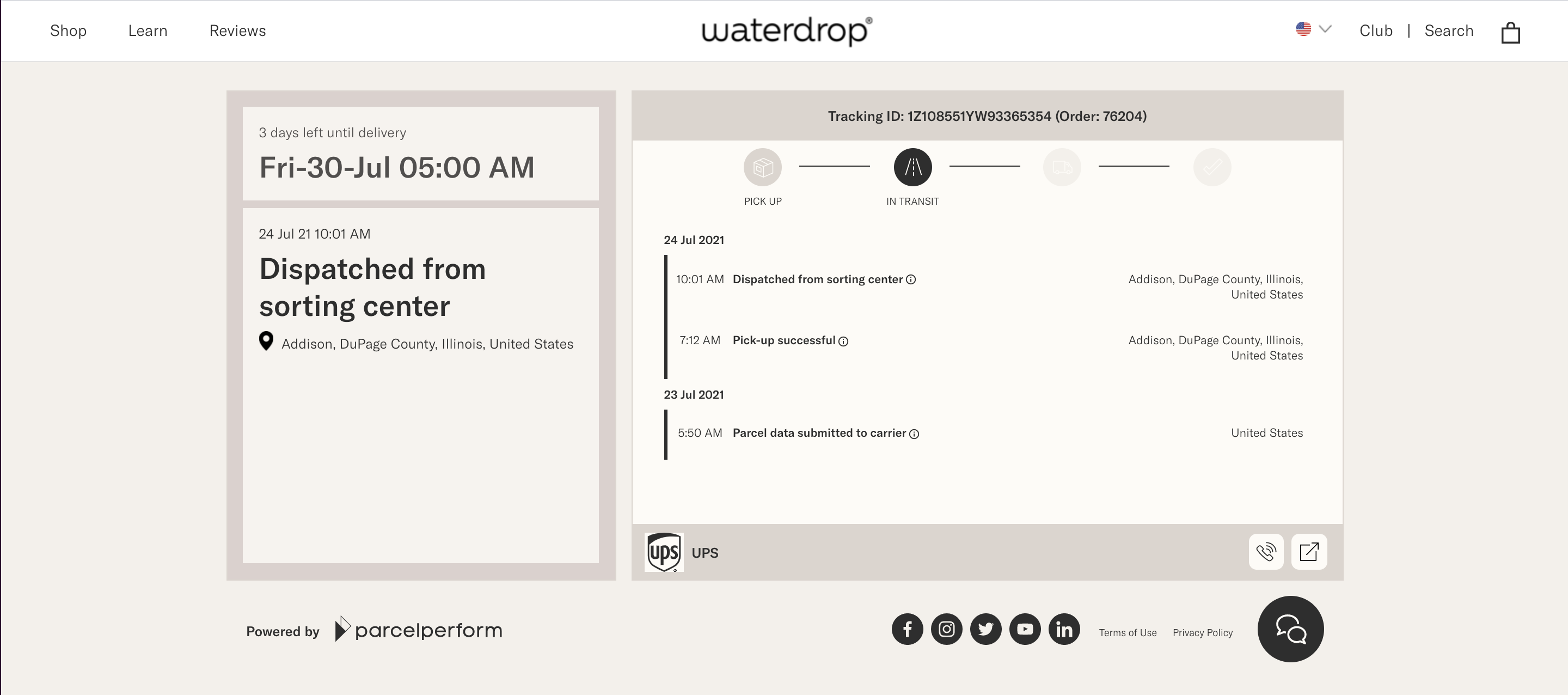
With the uncertainties of today’s supply chain, consumers stay loyal to brands that ensure reliability and transparency. Tracking pages and notification updates complete with the estimated date of delivery (EDD) inform your customers of when they can expect their orders to arrive on their doorsteps. These critical pieces of communication during the delivery process can transform your customer’s post-purchase experience and their impression of your brand entirely.
Customers will continue to choose self-collection
Last year, health and safety restrictions forced many retailers to offer click-and-collect options like Buy-Online-Pickup-In-Store (BOPIS), curb side pickup and parcel lockers. Surprisingly, even with lesser restrictions and regions reverting to normal, the trend hasn’t fallen in popularity. In fact, according to Statista, the year-over-year growth rate for self-collection will be upwards of 10% in 2021.
Additionally, the National Retail Federation found that BOPIS improved the customer experience for 70% of surveyed consumers by increasing the receiver’s flexibility and convenience. Strengthening your post-purchase communication strategy to customers should remain a priority, especially with deliveries to external self-collection points instead of directly to consumers’ doorsteps. SMS notifications and in-app updates on top of traditional emails will become increasingly mainstream as click-and-collect grows commonplace.
2021’s peak season: Prioritise your customer experience to stay competitive
Online purchases are the expected norm. With the developments of marketplaces and the abundance of channels to reach customers, the playing field is levelled for small local merchants and large retail brands alike that have become equally accessible to the everyday consumer.
E-commerce has re-calibrated the focus away from grabbing market share to building brand engagement and keeping customers loyal to your brand. This begins with creating a complete and consistently branded customer experience across all your channels.
Start optimising your marketplace listings, invest in advertising, gain visibility over your logistics operations and start communicating actively to your customers—take all the necessary steps to win the fast-approaching peak season of 2021.
Interested in taking your first steps to elevate your post-purchase customer experience? Speak to our friendly sales team to get you started.
You might also like

From hassle to profit: The blueprint of a seamless returns flow
Follow our returns blueprint to start working on a successful returns strategy.
Nov 15, 2023