

A Guide to Customer Service Recovery With Disney’s HEARD Framework
Jun 13, 2023
We all want our parcels to be delivered to our customers with no hiccups. While we should always strive to provide the best customer experience, handling issues and delays is part and parcel of every e-commerce merchant’s life.
Can Parcel Delivery Delays Be Good News?
Handling a customer’s issues or feedback well can do wonders for your customer’s perception of your brand. UK complaints mediation service Ombudsman Service found that 92% of British consumers are unwilling to return to a brand if they handled a complaint poorly. In contrast, 52% thought more highly of a brand if they resolved negative situations properly.
Negative situations need not be bad. They can be opportunities to rebuild and even strengthen your relationship with your customers.
How do you achieve this? Let us show you how.
3 Elements of A Genuine Apology
No matter what shape or form, customers want these 3 things from you when you communicate a delivery issue to them.
An apology
An explanation
Reassurance that the issue will not happen again or how you will handle it in the future
What is the best way to deliver fantastic customer service when faced with issues? Let us look at one of the recognizable names in the world today – The Walt Disney Company.
What is Disney’s HEARD Framework for customer service?
Disney knows a fact or two about great customer service recovery.
They host a whopping 135 million people in their parks each year. Yet, 75% of the guests are repeat customers. With 25 million + yearly visitors to Disney World and 132+ million yearly visitors to Disney parks worldwide, that’s an exceptionally high customer lifetime value and customer retention rate.
How did they achieve this? With an exceptional focus on customer service and detailed customer service recovery processes:
“At Disney, we recognise that a service failure may not always be our fault, but it is our problem.” – The Walt Disney Institute
Disney’s 5 Step Framework H.E.A.R.D For Customer Service Recovery
The customer service recovery technique Disney teaches is a simple acronym: HEARD
Hear: Let the customer tell their entire story without interruption. Sometimes, we just want someone to listen.
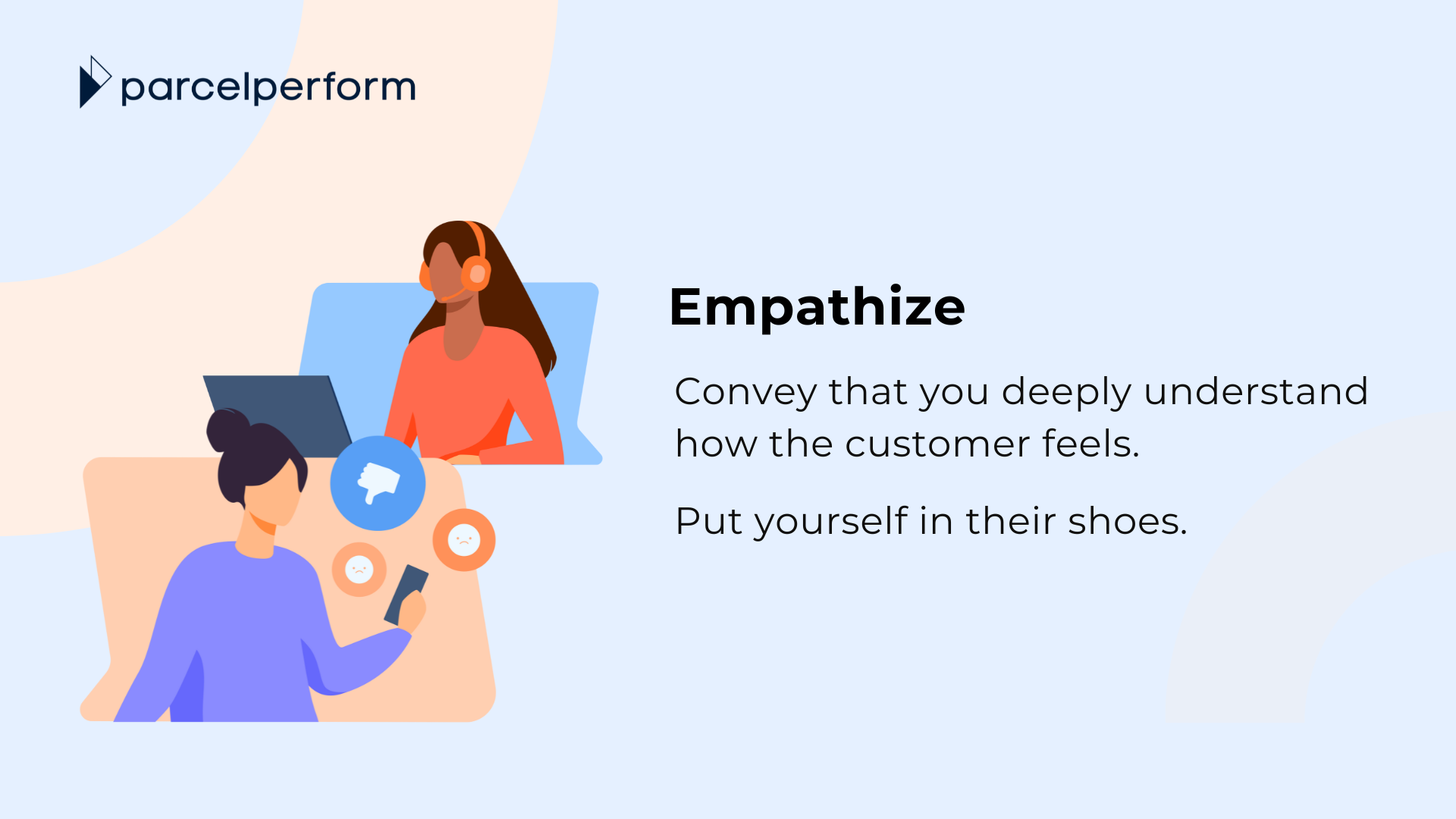
Empathize: Convey that you deeply understand how the customer feels.
Apologize: As long as it’s sincere, you can’t apologize enough. Even if you didn’t do whatever made them upset, you can still genuinely be apologetic for the way your customer feels.
Resolve: Resolve the issue quickly, or ensure employees are empowered to take action. Don’t be afraid to ask the customer: “what can I do to make this right?”
Diagnose: Understand why the mistake occurred, blaming no one; focus on fixing the process so it doesn’t happen again.
How to use Disney’s HEARD framework to communicate delivery delays and issues to your customers
As you craft your Issue or delay post-purchase emails or have your customer service staff interact with your customers, make sure they follow these 5 elements of customer service recovery.
Hear:
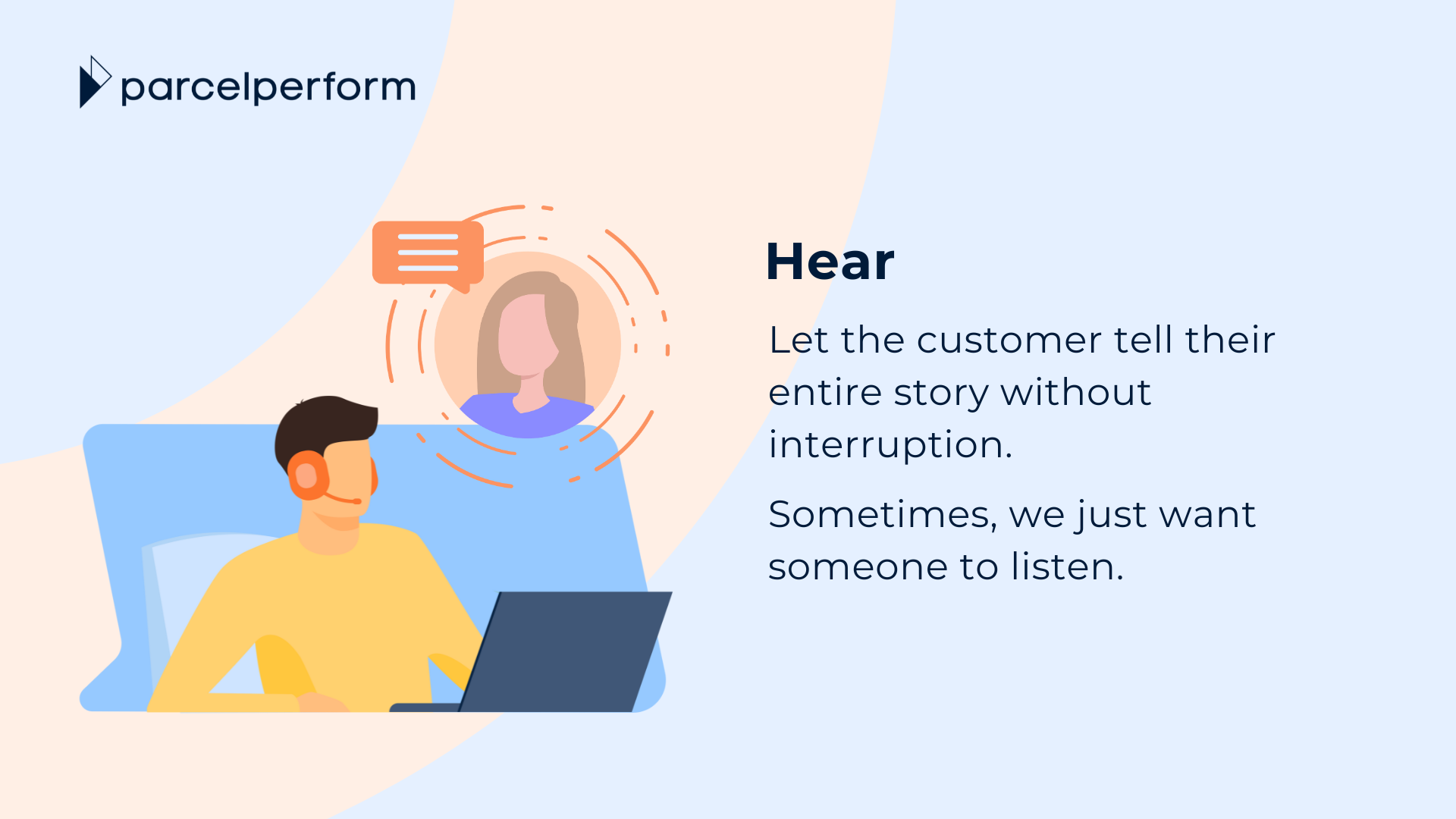
Customers are understandably disappointed and perhaps even frustrated when they get notified of a delay or issue with their delivery. They may have tight deadlines to meet or expectations to fulfill. Here, you need to give them the opportunity to tell their complete, uninterrupted story, whether be it through email, live chat support, or on the phone.
In your post-purchase emails, you could give them the opportunity to contact you if they have any further issues during the resolution process.
Empathize:
“Customers should be treated like individuals, rather than sources of revenue on every step of their journey.” – Talkdesk
Meaningful customer experiences start with empathy. Show more empathy in both your email and verbal conversations with customers by using empathy statements to put yourself in their shoes.
“If I were in your position, I would feel just as you do”.
“You are right, that’s a very annoying/upsetting/frustrating experience”.
Apologize:
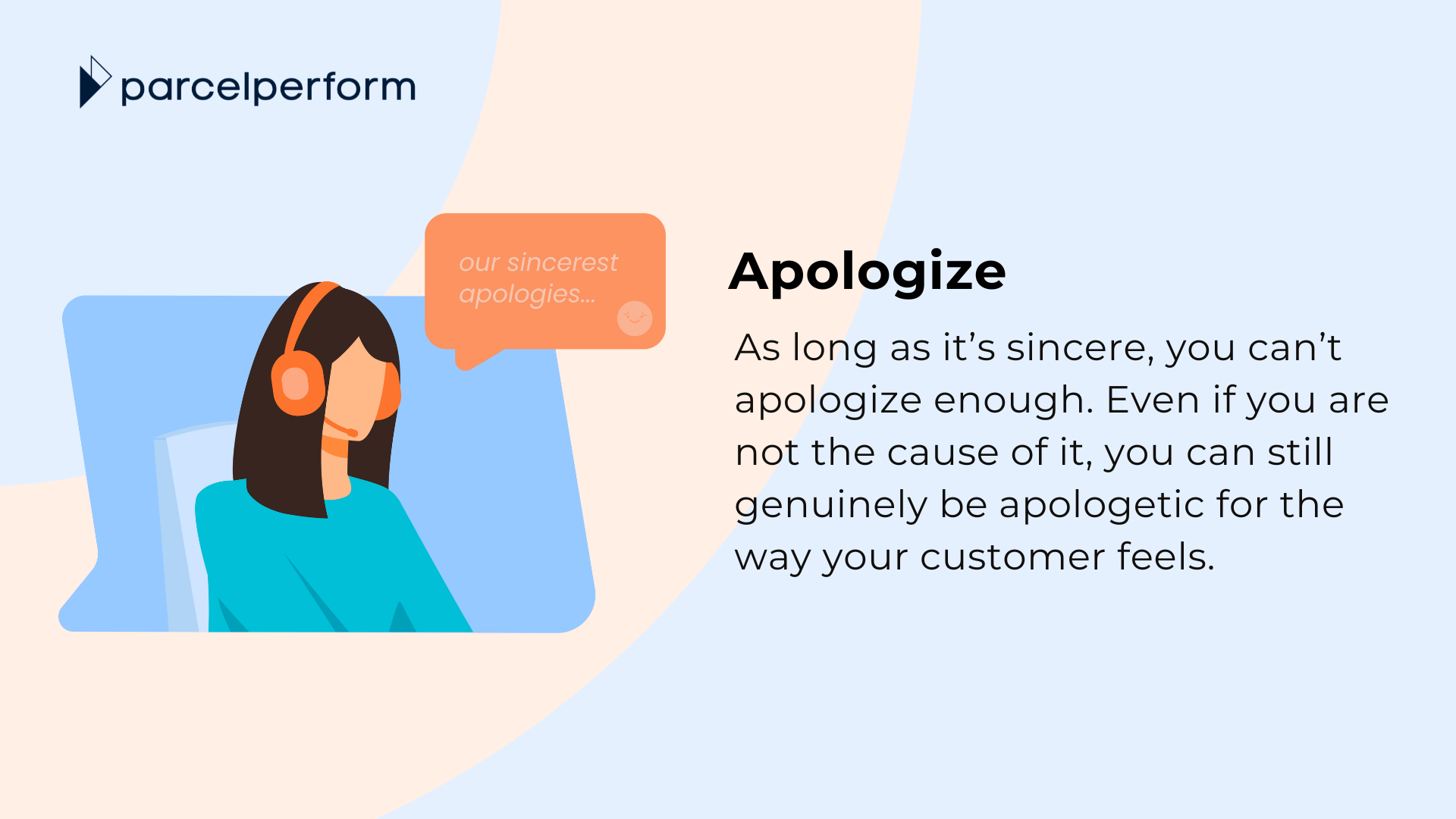
We should never underestimate the power of a sincere apology.
This should be one of your main guiding principles when communicating delivery issues to customers to show you care for them. Outline the issue that led to the delivery issue or delay. Be specific and transparent about what happened, show understanding of your customer’s issues, and relate to their feelings.
Resolve:
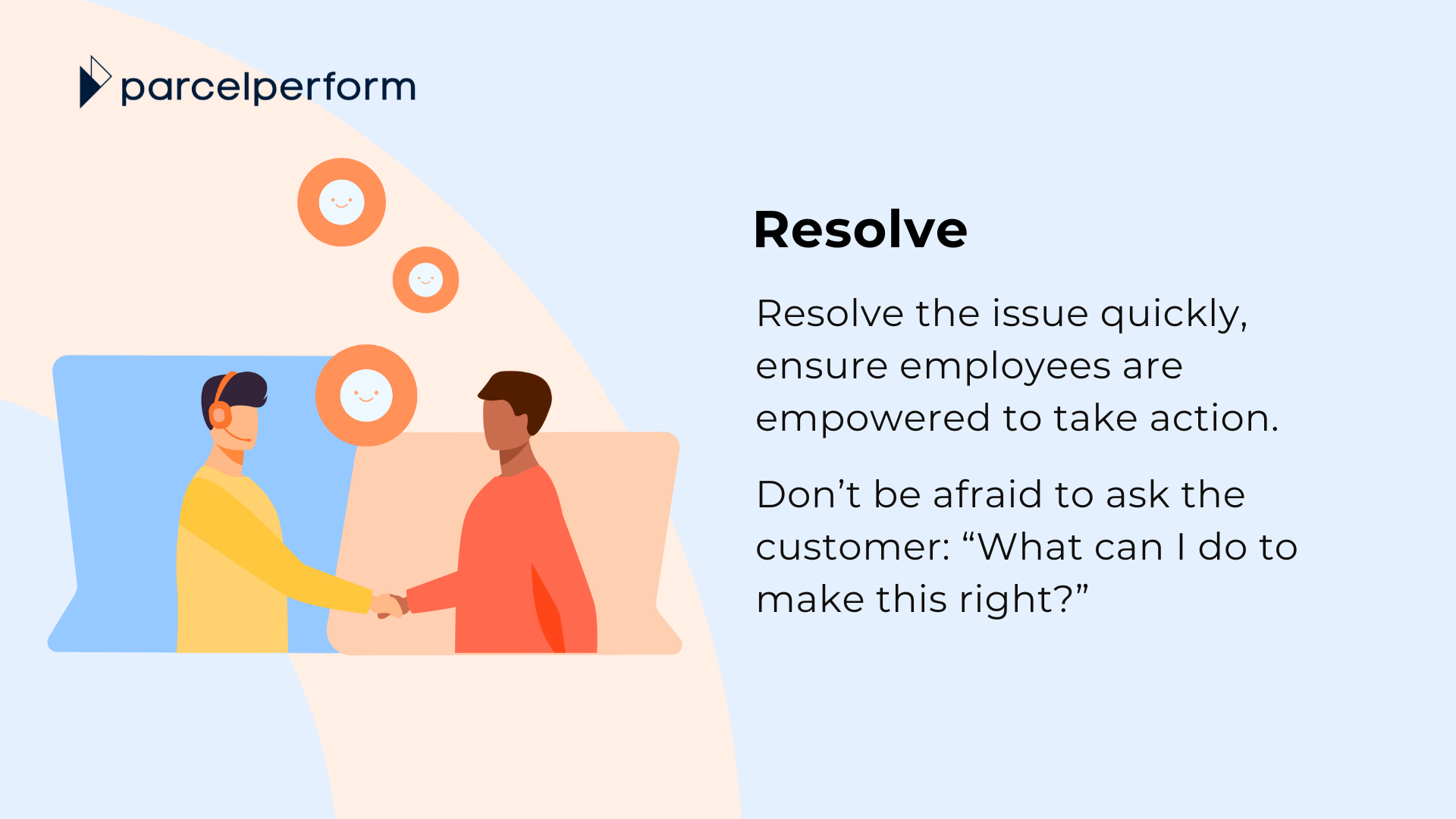
Apologies are important, but often the phrase “I’m sorry” is not enough.
Show how you will resolve the situation. If this is a carrier issue, give your customers easy access to follow up with the carrier or empower your customer service staff to follow up with them personally.
It’s always better to err on the side of over-communication rather than under-communication – assure your customer you are working to resolve the problem. Proactively keep them updated on every stage of the delivery process and flag them as priority follow-ups for your customer service staff.
Bonus tip: Once you’ve offered a sincere apology and started communicating how you will resolve the situation, you can even offer something to make up for the delay in your emails. This can be a discount code for their next purchase or a complimentary gift, for example.
Diagnose:
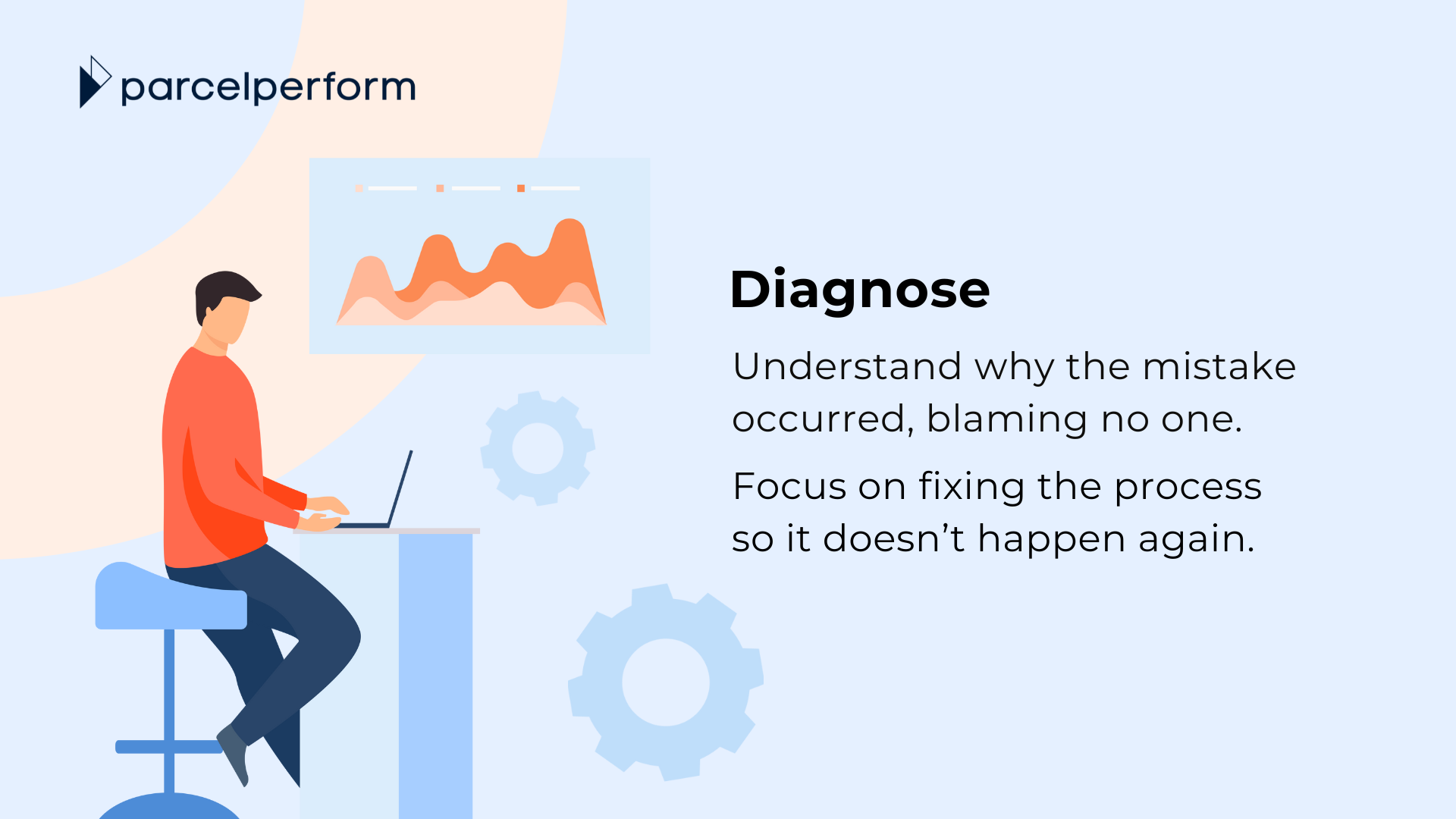
Once you’ve successfully resolved the customer situation, it’s time to examine your customer service or logistics management processes to adapt to these issues.
Consider these questions to get you started:
Does your customer service team have sufficient communication, empathy, and adaptability skills?
Could your customer service reps have handled a customer situation better or quicker?
Examine your customer service touchpoints – how are you
For post-purchase emails, look at:
Do your tracking emails fulfill the above criteria?
Consider the visuals used, do they contribute or distract from the overall message you are trying to convey?
In Conclusion
“Seek perfection, settle for excellence. Remove any personal guilt and examine the processes related to the service failure. Returning customers will appreciate your efforts to improve the experience.” – Disney HEARD framework
Disney is one of the world’s recognized leaders in customer service recovery not without reason. Use this process to assess how issues or delays are being communicated to your customers and work on improving them.
For more exclusive insights and interviews on the latest updates in e-commerce and logistics, follow us on LinkedIn.
You might also like
Fixing Hallucinations: How to Overwrite the AI's Memory About Your Brand
Stop AI agents from hallucinating outdated logistics failures. Overwrite LLM memory using verified operational data.
May 21, 2026
Parcel Perform
Return Windows as Trust: Marketing Lever or Just a Cost in E-commerce?
Stop treating reverse logistics as a sunk cost. See how AI agents read your e-commerce return window as a trust signal.
May 14, 2026
Parcel Perform
Why E-commerce Brands Lose AI Rankings Without Unified Carrier Data
AI shopping agents ignore marketing copy. See why unified carrier data is the trust signal that decides e-commerce.
May 12, 2026
Parcel Perform