
E-Commerce Data Management
What is E-commerce Data Management?
E-commerce data management is the process of collecting, storing, organizing, and analyzing data related to online sales, customer interactions, and delivery operations.
This data can include customer information, inventory levels, shipment tracking and carrier performance data, such as:
Shipment tracking information: This includes real-time location data, delivery statuses, and estimated delivery dates.
Carrier performance data: This covers metrics like on-time delivery rates, transit times, and delivery success rates for different carriers.
Delivery exceptions and disruptions: This includes information on delayed shipments, failed deliveries, and other disruptions that can impact the customer experience.
Customer feedback and delivery experience ratings: This encompasses customer reviews, feedback surveys, and ratings related to the delivery process.
The goal of e-commerce data management? To extract meaningful insights, optimize operations, improve decision-making, and ultimately drive business growth and enhance the customer experience.
Imagine your e-commerce data as a giant jigsaw puzzle. Each piece of information, whether it's a customer's purchase history, a product review, or a delivery tracking update, represents a single puzzle piece. E-commerce data management is the process of assembling this puzzle, connecting the pieces to reveal a complete and insightful picture of your business.
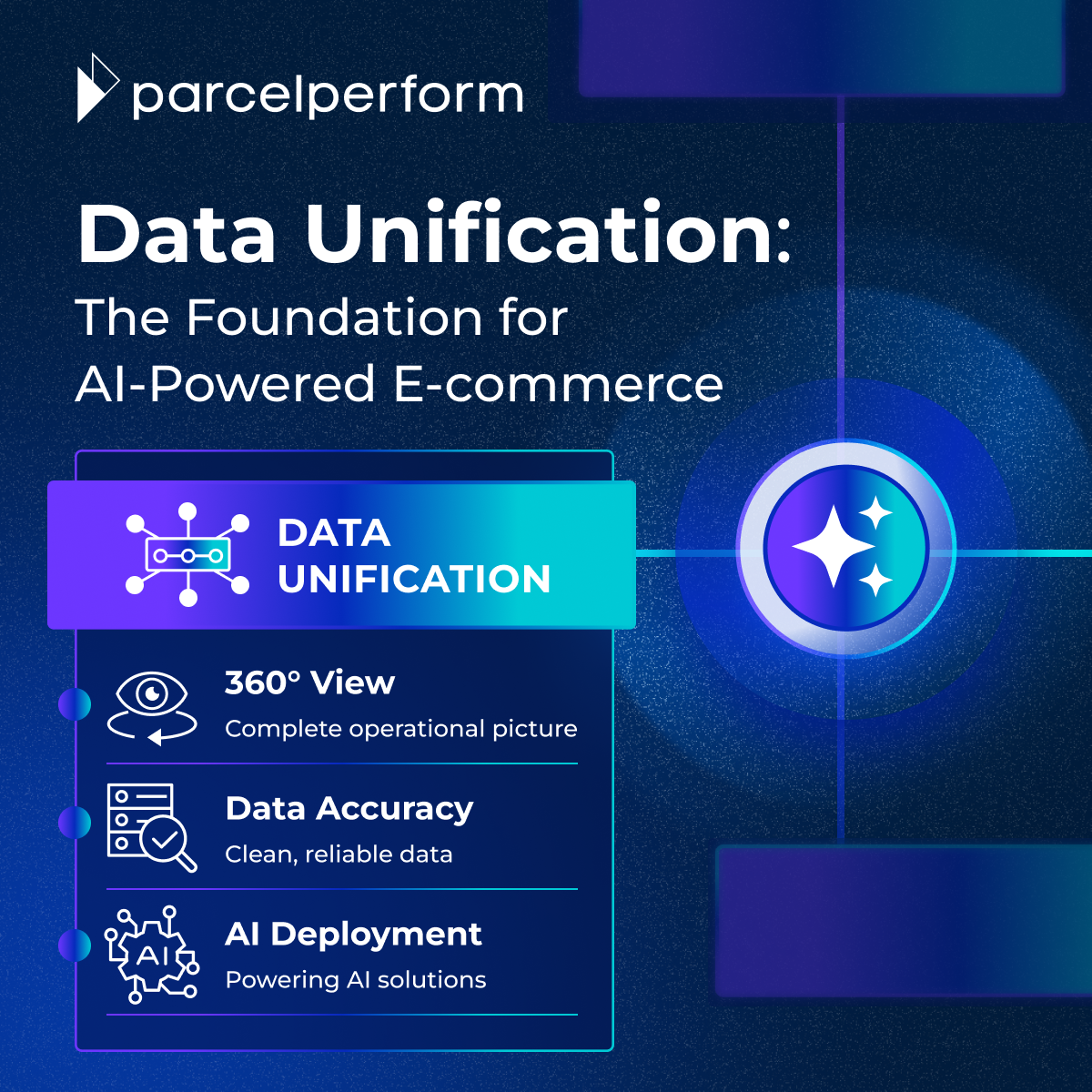
This clear overview allows you to identify patterns, understand customer behavior, optimize operations, and make informed decisions that drive success.
The Data Deluge: Why E-commerce Data Management Matters
E-commerce businesses are constantly drowning in a sea of data. From website traffic and customer behavior to shipping data, the sheer volume and variety of data can be overwhelming. Without proper data management, this valuable information becomes a chaotic jumble, leading to missed opportunities, inefficient operations, and poor decision-making.
What if there was a way to organize and unlock insights from all this data?
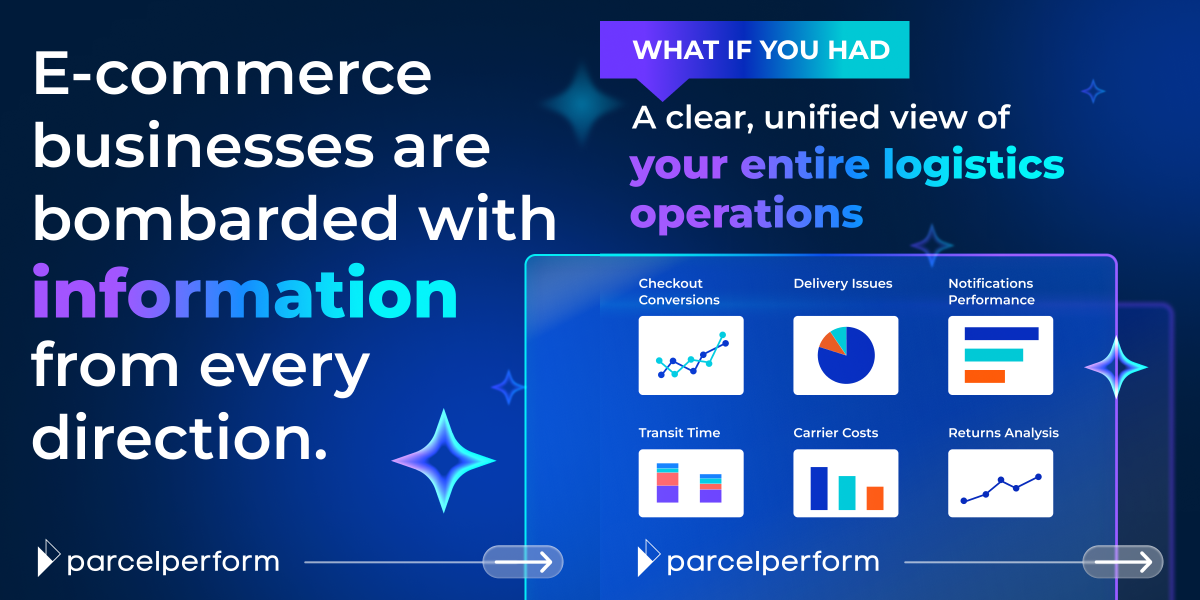
Manage your e-commerce data with a clear unified view of your entire logistics experience.
E-commerce data management provides the framework for taming this data deluge, transforming it from a chaotic mess into a well-organized symphony of insights. It's about ensuring data quality, accessibility, and security, empowering businesses to extract maximum value from their information assets.
Imagine a logistics manager trying to track a shipment without a proper data management system. They might have to sift through mountains of spreadsheets, emails, and carrier websites, wasting valuable time and increasing the risk of errors. With a robust data management system, however, they can instantly access the shipment's status, location, and estimated delivery date, allowing for proactive issue resolution and improved customer satisfaction.
Learn more about the age of data intelligence in e-commerce in this blog post on data-driven delivery management.
Taming the Chaos: Benefits of E-commerce Data Management
With proper data management, e-commerce data is a goldmine of valuable information that is the secret weapon of any business. E-commerce data management offers a multitude of benefits for online businesses:
Unlock Strategic Insights: With consolidated data at your fingertips, you'll be able to make informed decisions that steer your business towards greater success.
Craft Unforgettable Customer Experiences: Imagine having a 360-degree view of your customer data, allowing you to personalize every interaction and create a seamless experience that fosters loyalty.
Boost Efficiency and Productivity: With data-driven insights guiding your operations, you'll be able to streamline processes, automate tasks, and unlock greater efficiency and productivity.
Master Your Delivery Operations: A strong data foundation means you'll be able to track deliveries with pinpoint accuracy, optimize shipping costs, and proactively address any potential hiccups along the way.
Gain a Holistic View of Performance: Imagine having access to bespoke dashboards that provide a comprehensive view of your e-commerce performance, allowing you to track progress and make data-driven adjustments to achieve your goals.
AI-powered logistics data can help your business achieve faster delivery, lower costs and happier customers. Learn to decode what your logistics data is trying to tell you about your e-commerce operations in this blog article.
How to Implement E-commerce Data Management
Implementing e-commerce data management involves defining data requirements, selecting tools, and establishing processes. Here's a quick guide:
Identify Data Requirements: Determine what data needs to be collected, organized, and analyzed to support your business objectives.
Choose the Right Tools: Select data management tools and platforms, such as Parcel Perform, that can handle the volume, variety, and velocity of your e-commerce data.
Establish Data Governance: Define policies and procedures for data quality, security, and access control.
Implement Data Integration: Integrate data from various sources, such as your e-commerce platform, marketing tools, and logistics systems, to create a unified view of your business.
How Parcel Perform Can Help
Parcel Perform's AI-powered platform provides e-commerce businesses with the tools and insights they need to effectively manage their logistics data. Our platform offers:
Data Centralization: Consolidate all your logistics data from various carriers and platforms into a single, unified view.
Real-time Visibility: Track shipments, monitor carrier performance, and identify potential delays in real-time.
Data-Driven Optimization: Optimize logistics operations, manage carrier performance, and streamline processes based on data-driven insights.

Parcel Perform's data-driven approach to logistics management is woven into the fabric of our platform. We understand that data is the key to unlocking efficiency, transparency, and customer satisfaction in e-commerce logistics. Parcel Perform's data management capabilities are deeply integrated into our suite of product experiences. Learn more about our products here.
Unlocking the Power of Information: E-commerce Data Management on One Platform
Parcel Perform's platform is designed for quick and seamless integration with your existing systems, saving businesses valuable time and resources. Our data harmonization technology seamlessly pulls in data from various sources, including carriers, warehouses, and orders, to provide a unified view of logistics operations.
With Parcel Perform, businesses can:
Empower cross-functional decision-making with easy, one-click report sharing.
Leverage AI to streamline their tech stack, break down data silos, and create powerful synergies for optimal e-commerce performance.
E-commerce data management is essential for online businesses looking to thrive in a data-driven world. By effectively managing your data, you can unlock valuable insights, optimize operations, and create exceptional customer experiences. Parcel Perform's AI-powered platform provides the tools and insights you need to implement and leverage e-commerce data management, leading to improved efficiency, customer satisfaction, and business growth.
To learn more about how Parcel Perform can help your e-commerce business effectively leverage your logistics data, book a demo with Parcel Perform today.
How Logistics Data Drives Conversational Commerce Sales
Turn AI chatbots into revenue drivers. See how real-time logistics data powers high-converting conversational commerce.
Aug 21, 2026
Parcel Perform
How AI Delivery Prediction Cuts WISMO Tickets Before They Happen
Stop WISMO tickets before they start. See how AI delivery prediction cuts support costs and protects margins. — Read on
Aug 19, 2026
Parcel Perform
Ecommerce Conversational Commerce: Answering WISMO Inside the Chat
Stop WISMO from draining your margins. See how AI-driven chat turns delivery anxiety into scalable brand loyalty.
Aug 18, 2026
Parcel Perform