

Building an Exceptional Customer Experience as a DTC Business
Jul 28, 2021
What is the Direct to Consumer (DTC) model?
Direct To Consumer (DTC) is a growing new trend in the industry, spurred on by the pandemic, where more and more people are turning to online shopping by default. Consequently, the number of e-commerce players adopting the DTC business model has also been multiplying.
DTC businesses sells their products directly to their consumers and forgo any middleman process. This essentially leaves out wholesalers, distributors, and retailers from the distribution chain, where brands and manufacturers leverage e-commerce to reach the end-consumer directly.
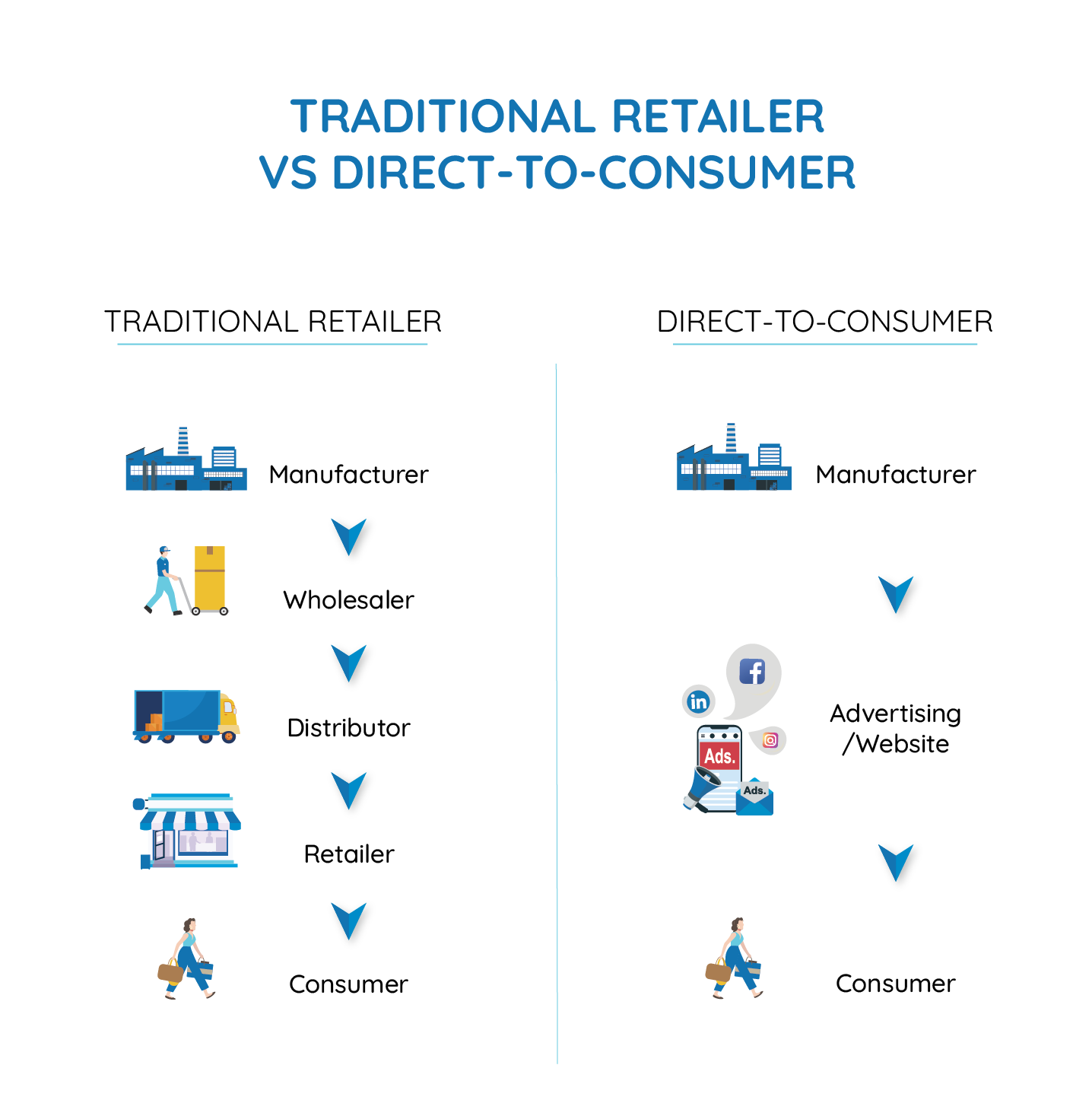
What are the benefits and challenges of the DTC Business model?
Besides the evident cost-savings of taking out a portion of the supply chain, the DTC business approach benefits brands with access to first-party consumer data, and the ability to form direct brand-to-customer relationships.
There’s evidence that this up-and-coming trend is also sought after by customers. Research has shown that 55% of consumers prefer to shop directly with the brand manufacturer over multi-brand retailers. Modern consumers seek a quick and frictionless shopping experience — something that the DTC model champions.
However, despite the efficiency of the DTC method, like with any other approach, every DTC business has their own challenges to tackle.
These challenges include building a solid customer experience to ensure brand affinity and the likely loss of control or visibility associated with outsourcing one of the most important parts of the CX journey—the delivery experience.
So the question remains: how can DTC brands find room to stay competitive in the long run in this increasingly saturated market?
How can your DTC Business gain a competitive edge?
In the past year, we’ve seen that the DTC model is not just for smarter speciality startups, but even incumbent brands that once operated in the traditional framework have adopted this e-commerce strategy to elevate customer experience, win loyalty and boost repeat sales through a directly owned relationship.
For DTC brands to stay ahead of the competition, they should look into ways to use the model’s unique characteristics to their advantage. With complete access to consumer data and first-hand customer interaction, the DTC businesses that leverage these to personalize customer touchpoints and continuously refine the post-purchase experience will be the ones to come out on top.
In the rest of this article, we will dive into how DTC businesses can build an exceptional end-to-end customer experience by leveraging on data at every step.
1. Build a personalized, fully-branded shopping and delivery experience
Thanks to pioneering brands in the e-commerce field, customers have grown to demand personalized experiences from brands. A survey by Epsilon and GBH Insights revealed that 80% of shoppers expect and desire personalization as it can add great value to the entire customer journey. But what exactly goes behind a successful personalization strategy?
Establishing a solid data foundation is key. DTC businesses have the unique advantage of developing a multidimensional view of the customer through collecting data at various levels. Channeling this data into marketing campaigns and analytics for customer segmentation is important, and is a strong focus for many e-commerce brands in getting those additional clicks.
For long-term success, your ultimate goal should be to nurture customer relationships and boost customer retention, and for a DTC business, simply focusing on pre-checkout aspects such as product and pricing isn’t enough.
According to a study by IBM, 85% of consumers aged 40 and above say the post-purchase experience has the greater potential to strengthen the brand relationship compared to the pre-purchase experience. The experience after purchase is undoubtedly a vital part of the buyer’s journey, and there’s abundant opportunity in the post-purchase journey to take advantage of DTC first-party data.
To help you along, we’ve outlined a few handy ways that you can elevate the experience after the ‘buy’ button:
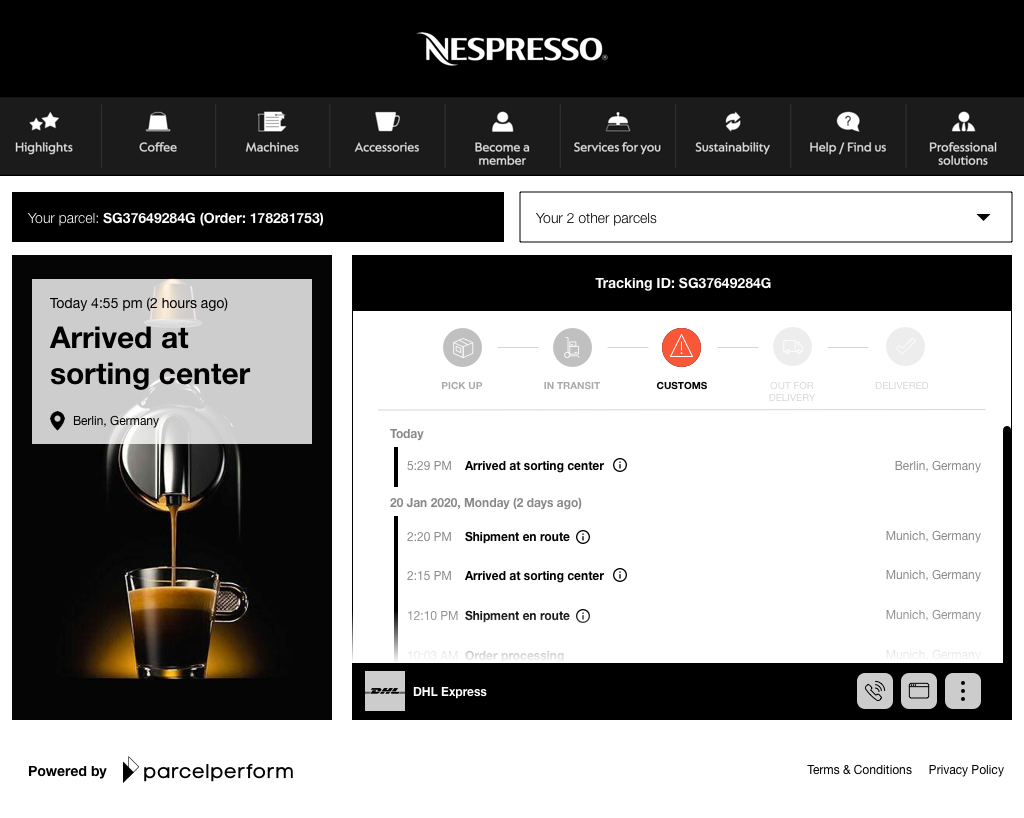
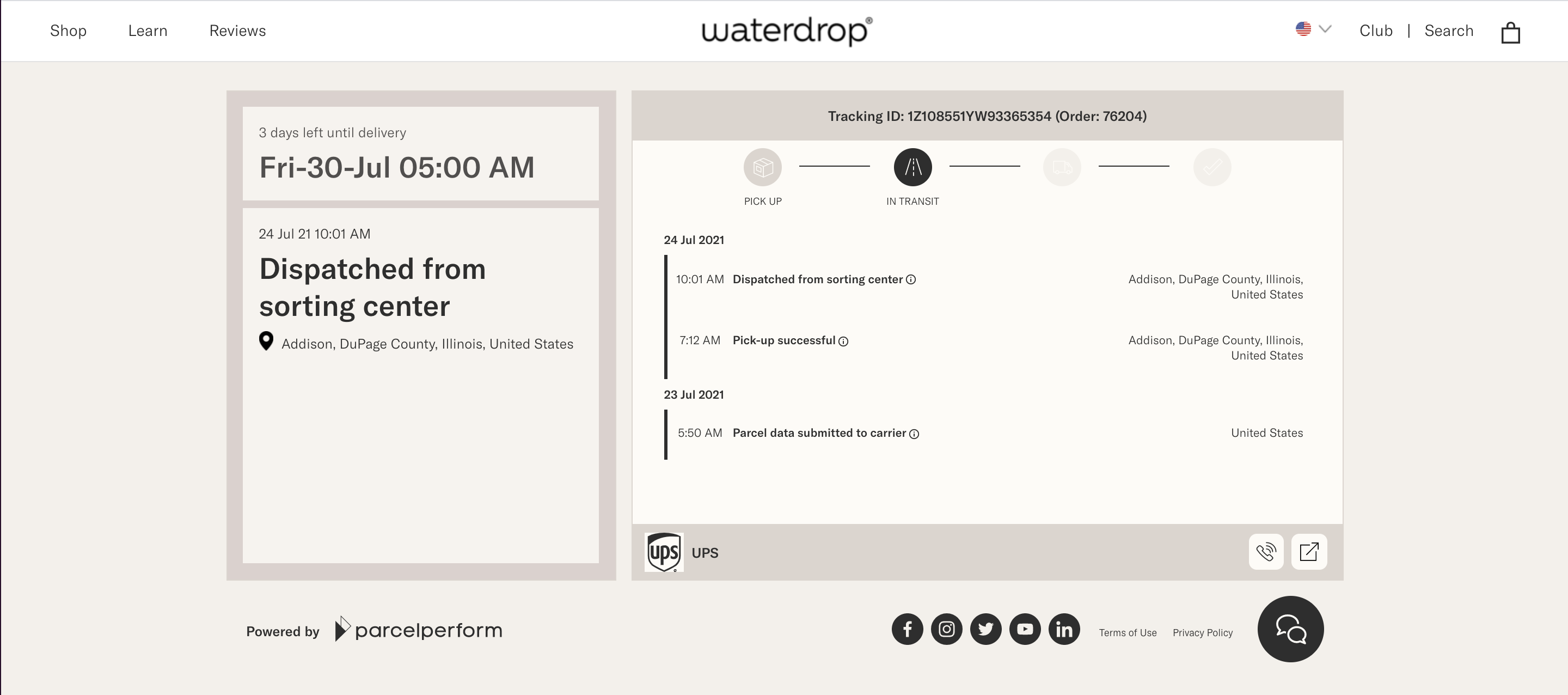
Build your own tracking page
- Instead of sending your customers away to external carrier tracking sites, provide the tracking service in-house and secure yet another opportunity to keep your customers within.
Ideally, your tracking page should be built to be fully customizable with your brand’s design, so you can optimize the site for a unified, on-brand experience.
Include highly relevant messaging in your notifications
- An effective way of becoming relevant to your customers is by communicating events and updates that they want to know about. This can be in the form of practical updates along the delivery journey or when a specific action is required from the customer such as self-collection.
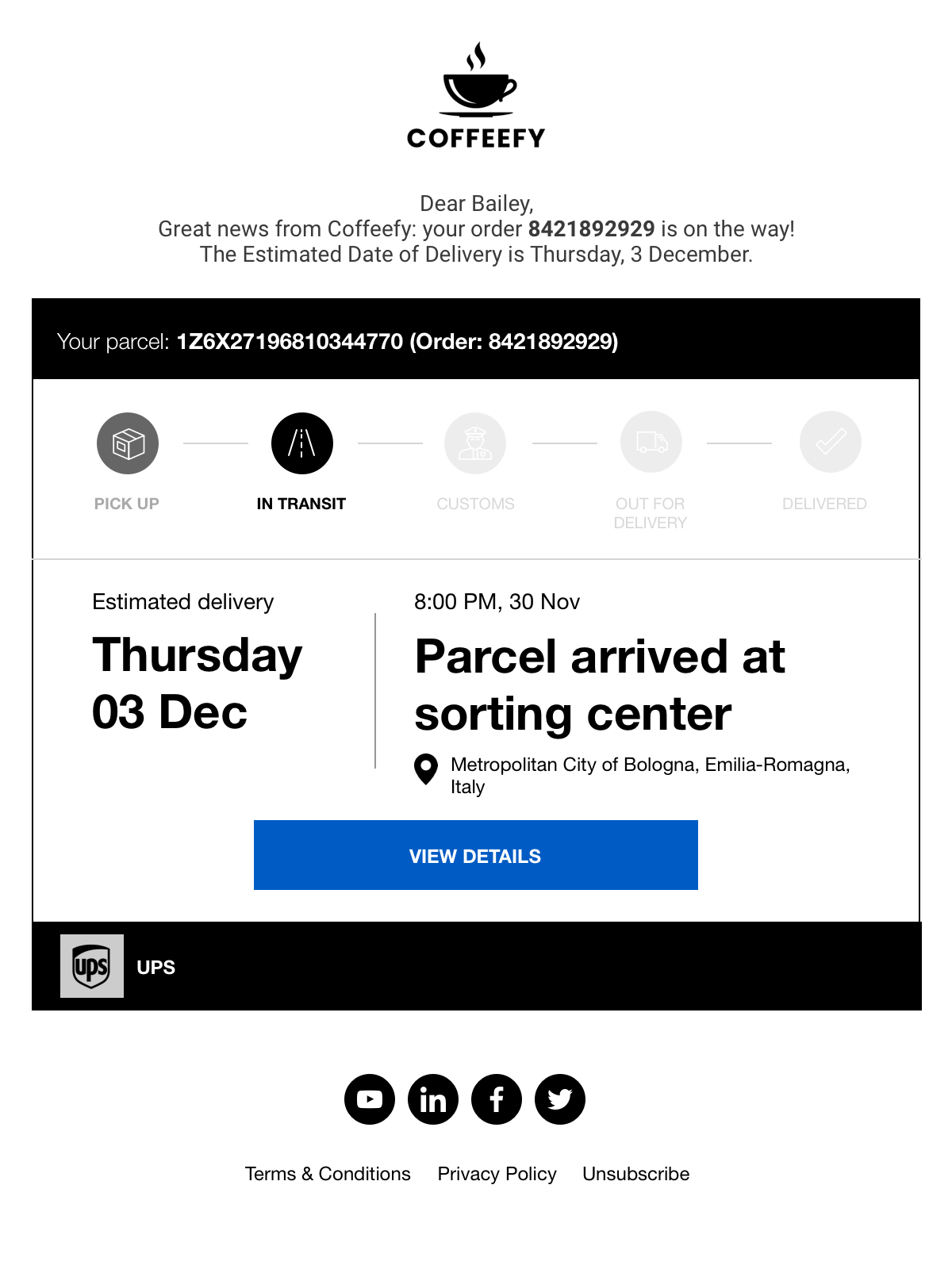
You can take these communications a step further by including practical features that are often overlooked by brands. For instance, the estimated delivery date, which informs your customers of when they can expect their parcel to arrive, is a detail that 83% of consumers expect to hear from retailers.
Additionally, a breakdown of the customer’s order content supported with visual references is much more relevant than a string of numbers from their order or tracking ID.
These features may seem like minute alterations to your customer communications, but they drastically alter the post-purchase experience (compared to relying on your carriers’ shipment updates), and can greatly increase customer receptivity to promotional efforts within this channel.
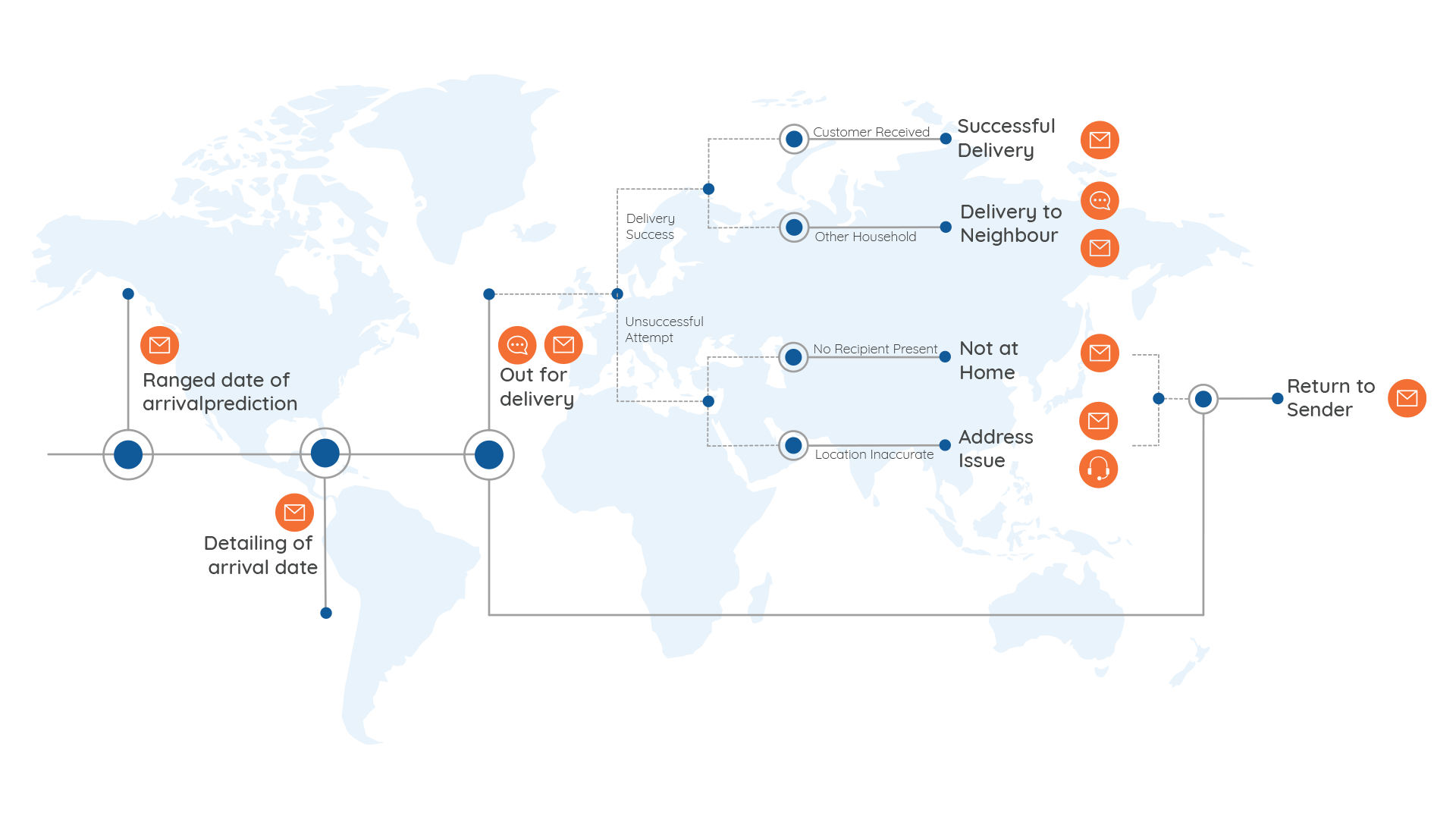
Automate your post purchase communication - Channel your shipping data into customer profiles and define key delivery events that can trigger notifications through the transit and fulfilment phases. Some
to trigger updates include ‘Order Confirmed', ‘Out for Delivery’ and ‘Successful delivery’.
These key events serve as high-value customer touchpoints which can command excellent open rates of up to 80%. Including personalized content here such as addressing the customer by name, communicating in their local language, and including relevant product suggestions will make a huge impact on their impression of the brand.
Campaign automation tools like Klaviyo, now with the Parcel Perform integration, are also great for sending out customised messages optimized for high conversion, while still taking advantage of those post-checkout marketing opportunities
2. Take control of your logistics operations with data
The DTC model is a double-edged sword. On one hand, you have the benefit of agility to adapt and evolve with the changing market as you’re no longer reliant on middlemen. But on the other hand, you can no longer leverage parties down the distribution chain to handle all the nitty-gritty operations and the challenges that come with them.
Shipping methods, carrier types, inventory management- these are just a few of the many variables involved in DTC logistics operations. Even with the advantage of end-to-end data analytics to help with operational decisions, this process of parsing through and refining large volumes of data can be a huge strain on resources, taking away from other crucial areas of focus such as growth and brand strategy.
Fortunately, there are a few ways that DTC businesses can tackle this:
Outsourcing or using third-party logistics providers (3PL) -
3PL partnerships can entail offloading the entire logistics process to an external party, which can be a practical solution a DTC business looking to scale up quickly without having to build up their operations from scratch.
Get full visibility of your logistics operations -
For brands that want to retain visibility over their last-mile operations, managing fulfilment in-house is still a viable option. With access to first-party data, what you need is systematic and real-time reporting on the performance of your carriers to have full control over the delivery experience.
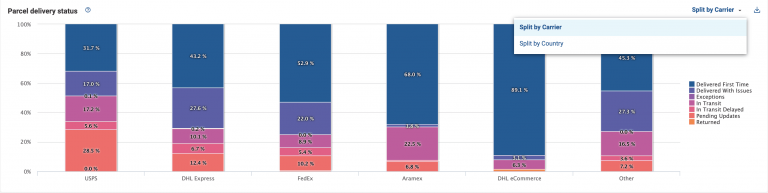
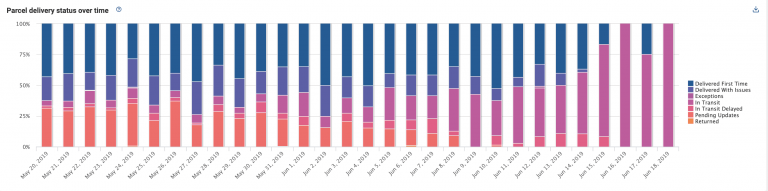
Consider a logistics intelligence platform that allows you to get full visibility of the logistics performance of your shipments without the need for any data analytics know-how. Using data from your carriers, create and share customized reports to foster collaboration within your teams whilst tackling operational pains.
3. Keep your customer service teams agile
Keeping in mind that 84% of consumers are unlikely to make future purchases after a poor post-purchase experience, keeping your customer service teams efficient and proactive is essential. In the DTC model, you are dispatching orders to many individual customers instead of a few wholesalers, thus handling a way higher volume of smaller orders.
This can lead to a whole barrage of new customer service demands that DTC businesses have to manage, on top of processes on the logistics side.
However, there is a silver lining to this. The advantage of managing all your operations in-house is that you not only have full control over the fulfilment experience but also the ability to align your CS and logistics teams for a mutually beneficial workflow.
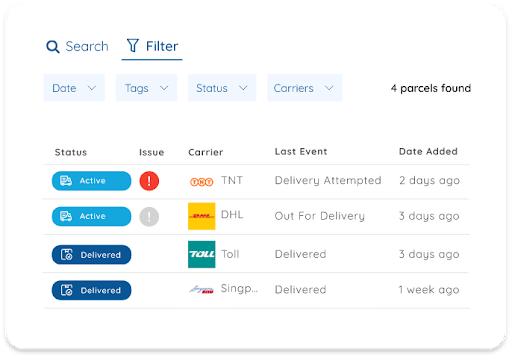
On one end, the proactive support of Customer Service (CS) teams in communicating accurate delivery updates reduces the occurrence of failed deliveries which can hinder logistics performance. On the other end, the real-time delivery data handled by your logistics team can be used to support CS by providing the same visibility of customer details, shipment ID, tracking information, and even the delivery stage at any point in time.
Additionally, you can leverage advanced CS tools such as parcel overview dashboards which aggregate all your shipment information on a single platform. The visibility that these tools allow CS teams to be proactive in notifying customers on delivery changes and resolving problems even before they take root, instead of waiting for customers to call in on delivery issues.
Features like search filters and bookmarks also allow your CS teams to stay on top of all fulfilment events to boost CLV and satisfaction.
Take charge of your post-purchase experience with Parcel Perform
The post-purchase journey is often ignored. With more and more large brands breaking away from the traditional retail methods, it’s all the more imperative to double down on these key strategies to set your DTC business apart from the competition and keep your customers coming back for more.
Parcel Perform integrates with 700+ carriers, leveraging their delivery data to build a one-stop tracking solution for your business. While you take care of your product innovation, we’ll take care of your customer’s delivery experience. Contact us today to start building a unique post-purchase customer journey.
You might also like

Why Predictive Logistics Beats Real-Time Dashboards for Ecommerce Ops
Stop reacting to supply chain delays. See how predictive logistics lowers costs and protects e-commerce margins.
Sep 04, 2026
Parcel Perform
Stop Delivery Delays: Boost Loyalty with Predictive Logistics
Stop delivery delays before they reach the customer. Use predictive logistics to protect margins and boost loyalty.
Sep 03, 2026
Parcel Perform
Predictive Logistics: How AI Turns Carrier History into Forward-Looking Decisions
Stop reacting to delays. See how AI turns historical carrier data into forward-looking logistics decisions. — Read on fo
Sep 02, 2026
Parcel Perform