5 ways to improve your customer's post-purchase evaluation and drive repeat sales
Jul 27, 2023
Is your e-commerce business experiencing growth plateaus? Are you struggling to retain customers and drive repeat sales? The key to sustainable success lies in optimizing the post purchase evaluation.
Post purchase evaluation is the critical process where customers assess their satisfaction after making a purchase. This assessment encompasses every interaction, from order confirmation and delivery to returns and customer service. A positive post purchase evaluation is paramount for fostering customer loyalty, driving repeat business, and cultivating positive word-of-mouth.
This comprehensive guide will equip you with the knowledge and strategies to transform your post-purchase experience from a potential weakness into a powerful driver of e-commerce growth.
Quick links:Skip ahead to the 5 Ways to Improve Your Customer's Post-Purchase EvaluationSkip ahead to the KPIs to Measure and Optimize Post-Purchase Performance
Understanding Post-Purchase Evaluation:
Think of post-purchase evaluation as our report card, where customers are judging everything, and their 'grade' determines our future relationship. Every aspect, from product quality to delivery speed and even the smallest personal touch, contributes to their final assessment. It's the emotional echo of the transaction, and it's louder than you think.
What is Post-Purchase Evaluation?
Post-purchase evaluation is the customer's internal scorecard, a mental tally of their satisfaction after a purchase.
It's a complex blend of:
Product Performance: Did it live up to the hype?
Delivery Experience: Was it a breeze or a headache?
Customer Service: Did you show you care?
Returns Process: Was it as painless as possible?
Communication: Did you keep them in the loop?
Perceived Value: Did they get their money's worth?
Why is Post-Purchase Evaluation Important?
Because happy customers are repeat customers, and repeat customers are the lifeblood of your business. A positive post-purchase experience translates to:
Loyalty: They'll choose you over the competition.
When customers feel valued and their needs are met even after the sale, they are far more likely to consistently choose your brand over competitors, even if others offer slightly lower prices. This loyalty builds a stable customer base.
Retention: They'll stick around for the long haul.
Retaining existing customers is significantly more cost-effective than constantly acquiring new ones. A positive post-purchase experience fosters a sense of connection and satisfaction, making customers want to continue their relationship with your brand for future purchases.
Advocacy: They'll tell their friends.
Satisfied customers often become your best marketing asset. They'll share their positive experiences with friends, family, and online, generating valuable word-of-mouth referrals that can attract new customers organically.
Reduced Churn: They won't jump ship.
A negative post-purchase experience is a major driver of customer churn. By ensuring a positive journey, you minimize the reasons for customers to look elsewhere, protecting your customer base and revenue streams.
Stronger Brand: They'll trust you.
Consistent positive experiences after the purchase build trust in your brand's reliability and commitment to customer satisfaction. This trust enhances your brand reputation and makes customers more confident in future interactions.
Increased CLV: They'll spend more over time.
Loyal, retained customers who trust your brand are likely to make more frequent and larger purchases over their lifetime. This increased Customer Lifetime Value (CLV) significantly boosts your long-term profitability.
Understanding post-purchase evaluation isn't just theory; it's practical business sense. It's recognizing that every interaction, every email, every tracking update, contributes to the story your customers tell about your brand. And you want that story to have a happy ending.
5 Ways to Improve Your Customer's Post-Purchase Evaluation
Let's get real: customers have high expectations. They expect perfection, or as close as humanly possible. And in the post-purchase customer journey, it’s the details that often make or break their experience. Here's how to get those details right.
1. Provide Clear and Accurate Product Information: Setting the Stage for Satisfaction
Imagine buying something online and it arrives completely different from what you expected. Disappointment is an understatement. This is why setting accurate expectations from the start is critical. Clear and accurate product information lays the groundwork for a positive post-purchase experience.
Detailed Descriptions: Paint a vivid picture, not just a list of features. Go beyond basic technical specs and explain how the product solves a customer's problem or enhances their life.
High-Quality Visuals: Show them what they're getting, from every angle. Use high-resolution images and videos that accurately represent the product's size, color, and texture.
Comprehensive Specifications: Answer their questions before they ask. Include detailed measurements, materials, care instructions, and any other relevant information.
Accurate Estimated Delivery Dates (EDDs): Be realistic and transparent about delivery timelines. Under-promise and over-deliver whenever possible.
Quick links:Learn about why accurate delivery promises matter and how it reduces cart abandonment.
2. Offer Fast and Reliable Delivery: The Moment of Truth
The delivery process is often the first physical interaction a customer has with your brand after purchasing. It's the moment of truth where your promises are either kept or broken. A smooth, timely delivery can significantly enhance the post-purchase experience.
Timely Delivery: Meet or exceed expectations. Communicate estimated delivery dates clearly and stick to them.
Order Tracking: Keep them informed every step of the way. Provide real-time tracking updates and notifications.
Secure Packaging: Protect their purchase. Ensure products arrive in pristine condition.
Delivery Flexibility: Give them options. Offer various delivery methods and allow customers to choose delivery dates and times that work for them.
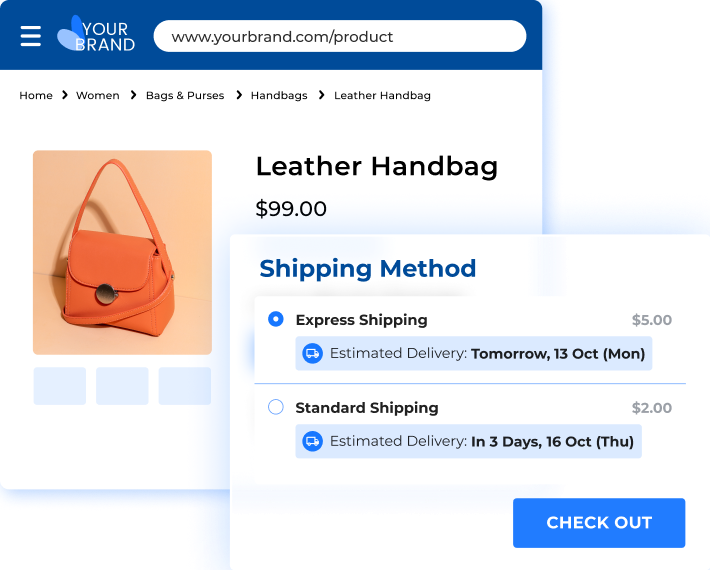
Provide customers with accurate delivery estimates at checkout, with different options for shipping methods.
3. Enable Easy and Generous Returns / Exchanges: Turning Potential Negatives into Positives
Even with the best products and delivery, returns are inevitable. How you handle them can turn a potentially negative experience into a positive one. A hassle-free returns process builds trust and loyalty.
Clear Returns Policy: No hidden clauses or fine print. Make your returns policy easy to understand and readily accessible.
Self-Service Returns: Let them handle it online. Empower customers to initiate and manage returns online with minimal hassle.
Multiple Returns Options: Make it convenient. Offer various return methods, such as mail-in, or drop-off locations. Even better, offer different refund options like offering an exchange, or in-store credits.
Prompt Refunds/Exchanges: Show you value their time. Process returns and issue refunds or exchanges quickly.
Returns Tracking: Keep them updated. Let customers track the status of their returns.
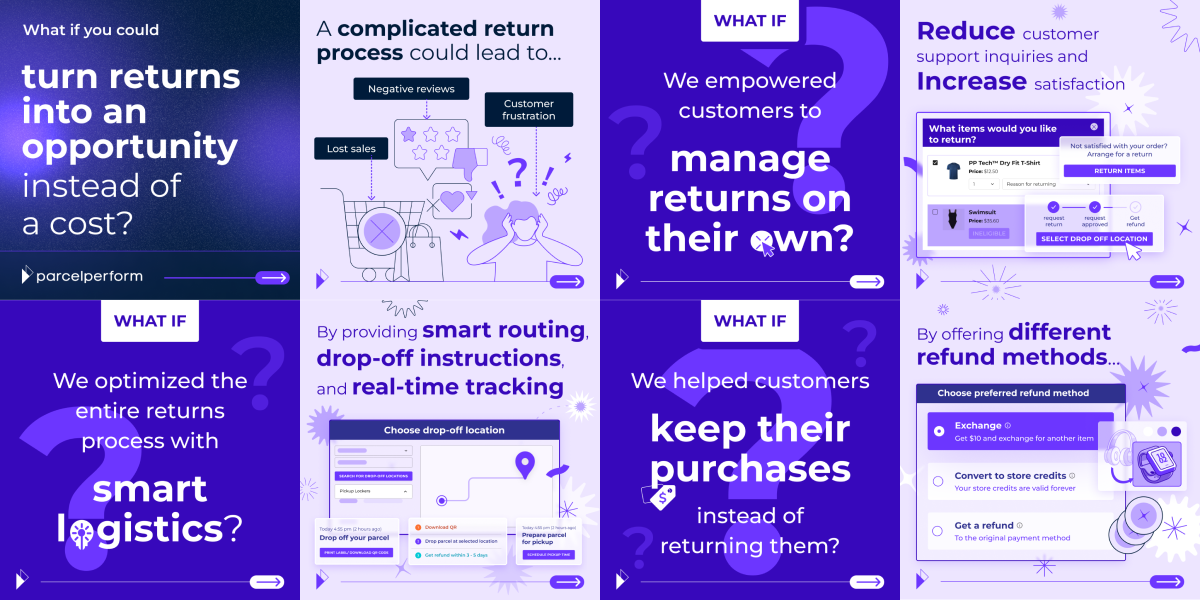
Turn Returns into Revenue by optimizing your returns management process. Click to Learn More.
Quick links:Learn all about Returns Management. Read more about the Untapped Potential of Self-Service ReturnsRead this Comprehensive Guide for Managing E-Commerce Returns
4. Provide Exceptional Customer Service: Building Relationships Beyond Transactions
Customer service is more than just resolving issues; it's about building relationships. It's about showing customers that you care and that you're there to support them. Exceptional customer service can turn a one-time buyer into a loyal advocate.
Omnichannel Support: Meet them where they are. Offer support through various channels, such as email, live chat, phone, and social media.
Fast Response Times: Don't leave them waiting. Respond to inquiries promptly and efficiently.
Empathetic Communication: Show you care. Listen actively and acknowledge their concerns.
Proactive Communication: Keep them informed. Anticipate potential issues and communicate proactively.
WISMO/WISMR Support: Answer their questions quickly. Provide easy access to order and return status information.
5. Leverage Proactive Communication and Parcel Tracking: Keeping Customers Engaged Throughout the Journey
Proactive communication and parcel tracking are essential for keeping customers engaged and informed throughout the delivery process. It's about providing transparency and building trust.
Real-Time Tracking: Give them peace of mind. Offer real-time tracking updates and notifications.
Proactive Notifications: Keep them in the loop. Send automated updates at key milestones, such as when the order is shipped, out for delivery, and delivered.
Branded Tracking Page: Reinforce your brand. Create a branded tracking page that provides a seamless and personalized experience.
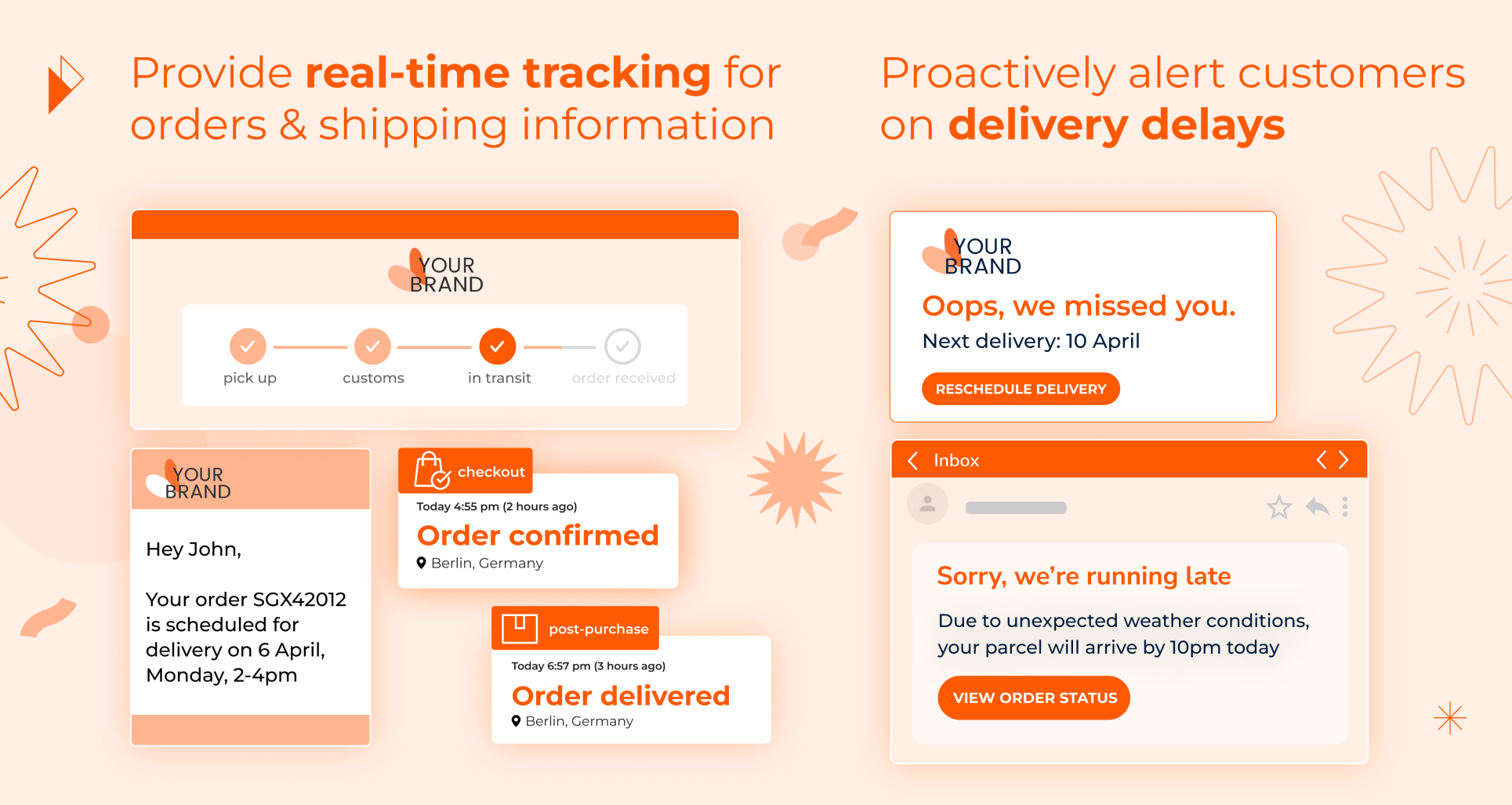
Gain customer trust through proactive and transparent updates.
It's about crafting an experience that feels personal and attentive. Show your customers you're not just selling products; you're building a relationship.
Quick links:Check out these tips on crafting an engaging branded tracking page for your website.Learn How to Proactively Manage Your Delivery ExperienceCrafting Exceptional Post-Purchase Experiences for E-Commerce Success
The Actionable Insights from Post-Purchase Data
The post-purchase phase isn't just about closing the deal; it's about opening a treasure chest of data. This data tells you what's working, what's not, and how to improve. While these insights can indirectly inform your pre-purchase strategies, their most immediate and impactful application lies in refining the very experience your customers have after they click "buy." Let’s mine that gold to elevate the post-purchase journey.
Key Data Points to Collect and Analyze:
Delivery Performance: Find the bottlenecks.
Don't just track if a package arrived; delve into the how and when. Analyze carrier performance metrics like on-time delivery rates, transit times, and the frequency of delivery exceptions (delays, damages, lost packages). Identifying underperforming carriers or common routes experiencing issues allows you to optimize your logistics, leading to faster and more reliable deliveries – a cornerstone of a positive post-purchase experience. Proactively addressing these issues can also reduce customer anxiety and the need for support inquiries.
WISMO Inquiries: Spot communication gaps.
A high volume of "Where Is My Order?" inquiries isn't just a customer service burden; it's a red flag signaling a lack of transparency in your shipping process. Analyze the channels through which these inquiries come, the timing, and the common reasons. This data directly informs how you can improve proactive communication – what information customers need, when they need it, and through which channels they prefer to receive updates, leading to a more informed and less anxious post-purchase period. Lean how to tackle WISMO requests in this guide.
Returns Data: Uncover friction points in the return process.
Returns are a reality, but a clunky return process can sour the entire customer experience. Analyze return rates, reasons for return, and the steps customers take to initiate a return. Identify points of friction in your policy or process (e.g., complicated forms, unclear instructions, long processing times). This data directly shows where you can streamline and simplify the returns experience, turning a potential negative into a demonstration of your customer-centricity. Learn useful strategies for recapturing returns revenue in this guide.
Customer Feedback: Understand their pain points and delights.
Actively solicit and analyze feedback specifically related to the post-purchase journey through surveys triggered after delivery or returns, reviews mentioning the delivery or support experience, and customer service interactions. What aspects of the post-purchase experience are customers praising? What are their recurring frustrations (e.g., lack of updates, difficult return process, unhelpful support)? This qualitative data provides direct insights into how to enhance communication, improve support interactions, and refine every touchpoint after the sale.
Customer Engagement: See what resonates with your customers.
Track how customers interact with your post-purchase communications. Are they opening your tracking emails? Are they clicking through to your branded tracking page? Are they engaging with any post-purchase content you provide (e.g., how-to guides, cross-selling recommendations)? Analyzing engagement metrics helps you understand what kind of information and content your customers find valuable after their purchase. This allows you to optimize your post-purchase messaging to provide more relevant and engaging content, potentially increasing satisfaction and future engagement. Read about the 3 Data Secrets that Power E-Commerce Success and how you can use it to improve your logistics data analysis process.
Repeat Purchase Data: Identify patterns of loyalty and churn.
Analyze the behavior of customers after their initial purchase. How long does it take for satisfied customers to make another purchase? What are the characteristics of customers who don't return? Understanding these patterns through predictive analytics helps you identify opportunities to nurture recent buyers with targeted follow-ups, personalized recommendations, or loyalty program invitations to encourage repeat business and prevent churn in the crucial post-purchase period.
How to Use Post-Purchase Data to Improve the Post-Purchase Customer Experience
Optimize Communication: Use WISMO data to refine proactive tracking updates and delivery notifications.
Streamline Returns: Leverage returns data to identify and remove friction points in the return process.
Enhance Customer Support: Utilize feedback to train support teams on common post-purchase issues and improve response strategies.
Personalize Follow-Ups: Use purchase history and engagement data to send relevant post-delivery content and offers.
Improve Delivery Options: Analyze delivery performance to identify areas for improvement in speed, reliability, and carrier selection.
Proactively Address Issues: Use delivery exception data to identify and resolve potential problems before they impact the customer experience.
Data isn't just numbers on a screen; it's a story waiting to be told about your customer's journey after the purchase. By actively listening to this story, you can unlock invaluable insights that directly empower you to create a smoother, more transparent, and ultimately more satisfying post-purchase experience, fostering loyalty and driving future success.
KPIs to Measure and Optimize Post-Purchase Performance
It's not enough to set up a post-purchase strategy and forget about it. You need to track, analyze, and optimize. It's a continuous cycle of improvement, and it's what separates the good from the great.
Key Performance Indicators (KPIs) for Purchase Evaluation:
Customer Satisfaction (CSAT): How happy are they?
Measure immediate happiness levels after specific interactions (e.g., delivery, support) using short surveys to identify quick wins and pain points.
Net Promoter Score (NPS): Would they recommend you?
Gauge long-term loyalty by asking customers how likely they are to recommend your brand, categorizing them as promoters, passives, or detractors.
Repeat Purchase Rate: Are they coming back?
Track the percentage of customers who make more than one purchase within a specific timeframe, a strong indicator of customer retention.
Customer Lifetime Value (CLV): How much are they worth?
Calculate the total revenue a customer is expected to generate over their entire relationship with your brand, highlighting the importance of long-term satisfaction.
WISMO Rate: Are they confused?
Monitor the frequency of "Where Is My Order?" inquiries as a direct measure of communication effectiveness and delivery transparency.
Return Rate: Are they dissatisfied?
Track the percentage of orders that are returned, analyzing the reasons to identify potential product or experience issues.
Customer Effort Score (CES): How easy is it to interact?
Measure the effort customers expend when interacting with your brand (e.g., returns, support), aiming for effortless experiences.
Churn Rate: Are they leaving?
Monitor the percentage of customers who stop making purchases over a specific period, indicating potential dissatisfaction or lack of engagement.
Average Order Value (AOV): How much are they spending?
Track the average amount spent per order, which can be influenced by a positive post-purchase experience encouraging further purchases.
Optimizing Post-Purchase Performance:
A/B Testing: Experiment and learn.
Test different approaches to your post-purchase communication, tracking pages, or return processes to see what resonates best with your audience and improves key metrics. Consider leveraging a platform like Parcel Perform to easily customize and test different checkout page EDDs to see which drives more engagement.
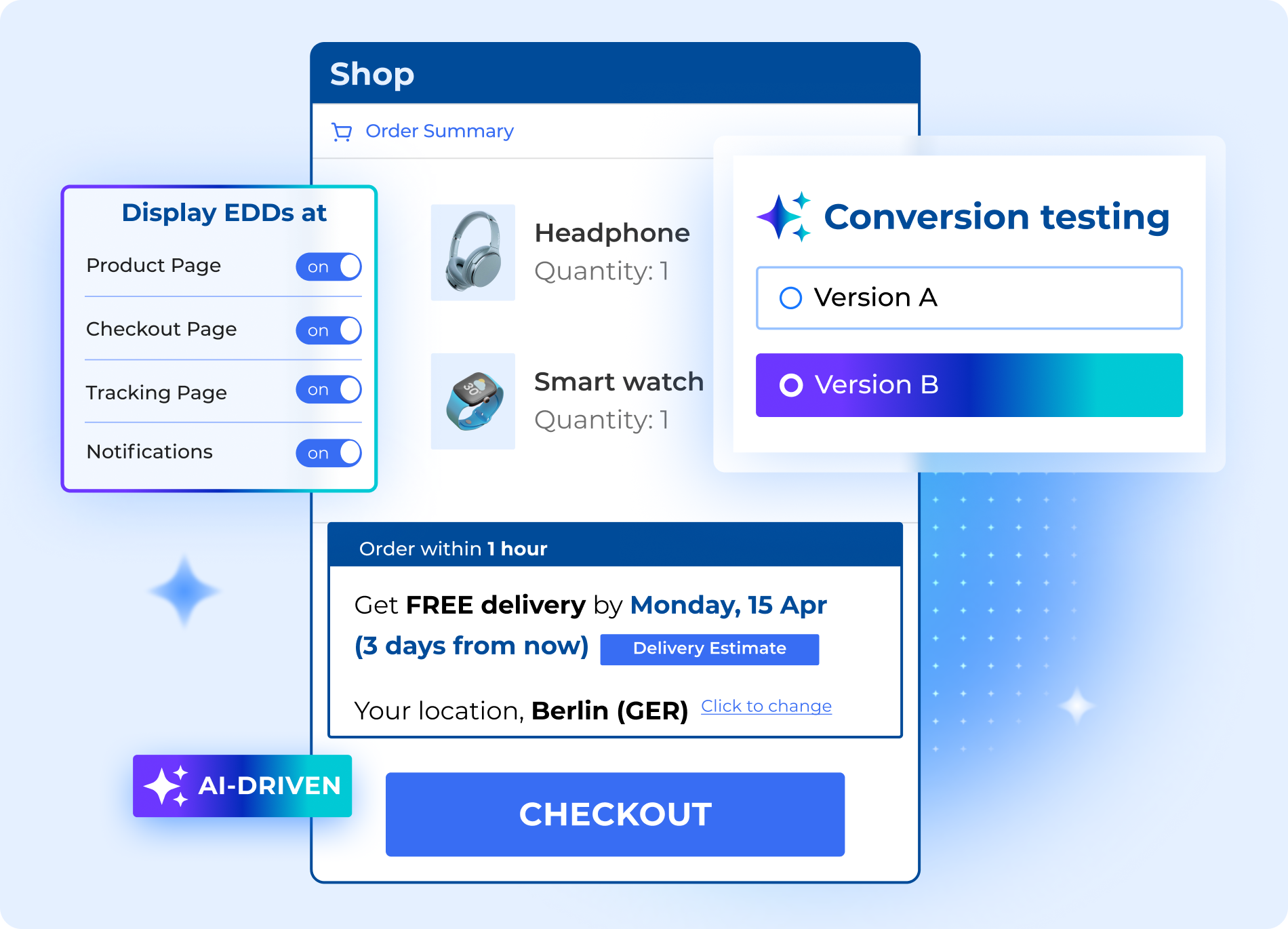
Parcel Perform's EDD Widget Configurations for checkout confidence and A/B Testing.
Customer Feedback Analysis: Listen and adapt.
Regularly analyze customer feedback from surveys, reviews, and support tickets to identify recurring themes and implement changes to address pain points and enhance satisfaction. By centralizing your shipment data with Parcel Perform, you can often identify trends in customer complaints related to delivery, providing valuable insights for improvement.
Reporting and Dashboards: Track your progress.
Utilize reporting tools and dashboards to visualize your key post-purchase KPIs, allowing you to monitor trends, identify areas for improvement, and measure the impact of your optimization efforts. Parcel Perform provides comprehensive analytics dashboards that allow you to track key delivery metrics and customer engagement, giving you a clear overview of your post-purchase performance.
Optimization is a journey, not a destination. Embrace the process of continuous measurement and analysis to refine your post-purchase strategy and drive lasting customer satisfaction and loyalty.
What are the Future Trends for Post-Purchase? The Age of AI and Data
The future of the post-purchase experience is rapidly being shaped by advancements in artificial intelligence (AI) and the increasing power of data. These technologies are poised to revolutionize how businesses interact with customers after a sale, creating more personalized, efficient, and proactive experiences. Embracing these trends is no longer optional but essential for staying competitive.
Hyper-Personalization Powered by AI and Data: Expect AI algorithms to analyze vast amounts of data on individual customer behavior and preferences to deliver hyper-personalized communication, recommendations, and support, making each post-purchase interaction feel uniquely tailored.
AI-Driven Proactive Issue Resolution: AI will increasingly be used to predict potential delivery issues or customer dissatisfaction based on data analysis, enabling businesses to proactively address problems before the customer even notices, leading to smoother experiences.
AI-Enhanced Customer Support: Chatbots and virtual assistants powered by AI will become even more sophisticated, capable of handling a wider range of post-purchase inquiries efficiently and providing instant support, leveraging data to offer accurate and helpful responses.
Predictive Analytics for Returns Optimization: AI and data analysis will allow businesses to predict which orders are likely to be returned and proactively intervene with targeted communication or solutions, potentially reducing return rates and improving customer satisfaction.
AI-Curated Post-Purchase Engagement: From personalized product usage guides to tailored cross-selling opportunities, AI will leverage purchase data to curate engaging content and offers that resonate with individual customers, fostering deeper connections.
Data-Fueled Sustainability Initiatives: Data on shipping routes, packaging, and customer preferences will enable businesses to implement more sustainable post-purchase practices, aligning with growing consumer expectations for eco-conscious brands.
The future of the post-purchase experience is undeniably intertwined with AI and the intelligent use of data. Businesses that embrace these technologies will be well-positioned to deliver exceptional, future-ready experiences that foster customer loyalty and drive sustainable growth. Parcel Perform is at the forefront of this evolution, providing an AI-driven platform designed to optimize every aspect of your post-purchase journey.
Your Post-Purchase Advantage: How to Build Loyalty and Drive Growth with Data
As we've explored, mastering the post purchase evaluation is no longer a secondary consideration but a fundamental pillar of sustainable growth. By prioritizing clear communication, seamless delivery, effortless returns, and empathetic support – all fueled by the insights gleaned from post-purchase data – you can transform fleeting transactions into enduring loyalty and turn customers into powerful advocates for your brand.
The modern e-commerce landscape, increasingly shaped by the power of AI and the intelligence derived from data, demands a proactive and customer-centric approach to the post-purchase journey. Understanding your customers' expectations, anticipating their needs, and continuously optimizing every touchpoint are the hallmarks of businesses that thrive. By focusing on the details and staying ahead of the curve, you can create a post-purchase journey that drives sustainable growth.
At Parcel Perform, we understand the critical importance of this phase. Our AI-driven platform is specifically designed to empower e-commerce businesses to excel in the post-purchase experience. From providing end-to-end shipment visibility and facilitating proactive communication to offering comprehensive analytics and customizable branded experiences, Parcel Perform equips you with the tools you need to streamline this process, centralize tracking, create branded experiences, and gain actionable insights to drive repeat purchases and increase customer lifetime value. We help you harness the power of your post-purchase data to identify areas for improvement, streamline your operations, and ultimately cultivate lasting customer relationships.
Quick Links:Read about the 4 AI Strategies for Exponential E-Commerce Growth in this article. Ready to transform your post-purchase journey from a potential pain point into a significant competitive advantage? Book a demoGet a Free E-Book on How to Accelerate E-Commerce Growth beyond Post-Purchase
See Parcel Perform in Action:
Request a Personalized Demo: Discover firsthand how our platform can revolutionize your post-purchase experience, drive customer loyalty, and fuel your e-commerce growth. Our experts are ready to understand your unique needs and demonstrate how Parcel Perform can help you achieve your business goals. Take the first step towards post-purchase mastery today.

*This article was updated on 7 April 2025
You might also like
How to Win in AI Commerce: An E-commerce Trust Signal Audit
AI agents rank brands using logistics data. Audit your "Trust Signals" now to secure your visibility in AI Commerce.
Dec 11, 2025
Your Brand Is Not a Story. It's a Score.
Stop storytelling. AI agents judge your brand by an Objective Reputation Score based on operational data.
Nov 13, 2025
Dr. Arne Jeroschewski