

The Ultimate Guide To Maximising Your Post-Purchase Experience in 2021
Countless reports have extolled the exponential growth of worldwide e-commerce. And more customers shopping online while staying at home also means higher expectations to keep customers in this increasingly crowded space.
The growth of e-commerce has sped up in 2020 thanks to the pandemic. Major shopping festivals like Black Friday and Cyber Monday in 2020 experienced an 86% increase in e-commerce volume in Europe alone.
In this article, we’ll share the hidden potential of the post-purchase experience in e-commerce and how you can optimize your post-purchase experience to get your customers coming back.
2021 is an excellent time to get into e-commerce
E-commerce sales are at an all-time high after the pandemic sped up years of growth in weeks, according to a recent Shopify Plus report. Optimizing your post-purchase experience in 2021 becomes even more important during this time of crisis, as we’re seeing a tremendous shift towards online shopping and the growth of e-commerce brought on by the pandemic.
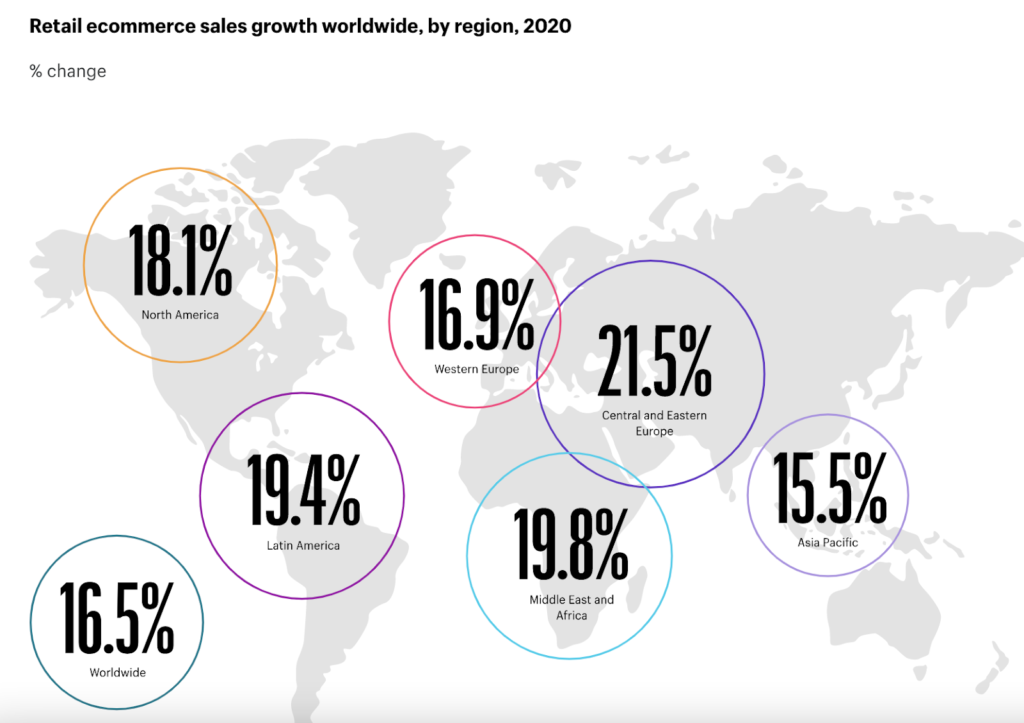
With increased e-commerce activity comes more intense competition and the need to create a loyal customer base, as acquiring the first-time buyers is expensive.
More customers shopping online while staying at home also means higher expectations.
We at Parcel Perform firmly believe seamless, on-brand customer experiences are a key competitive advantage. Brands are more likely to succeed in the global e-commerce market if they create a minimal friction experience for their customers after checkout.
E-commerce is booming. What about customer expectations?
As businesses battle it out for a slice of the e-commerce pie, consumer expectations have also risen accordingly. Customer journeys now involve multiple platforms and devices as they shop. They want an intuitive shopping experience across platforms and seek the retailer who can deliver the best customer experience in their shopping journey.
Gaining customers is expensive. Retailers are now hard-pressed to gain new customers and build brand loyalty and keep their customers.
In our experience working with retailers around the world, we've found there's a part of the customer journey that's often neglected by retailers - the post-purchase experience.
What is the post-purchase experience?
The post-purchase experience includes everything that happens after your customer checks out and pays for their order. Think about how the delivery of your customer's orders is processed, fulfilled and then communicated to your customers. These are all valuable opportunities to engage your customers even after you've made the sale.
"The post-purchase experience represents a significant opportunity to drive incremental revenue for retailers and manufacturers alike."
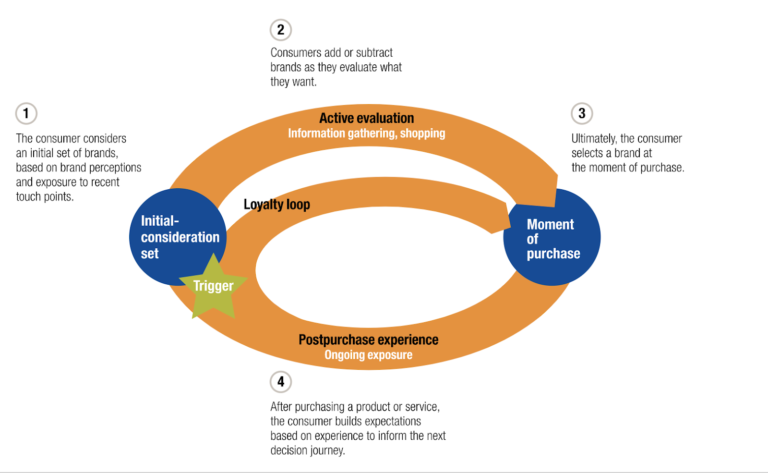
Source: McKinsey's Customer Loyalty Loop
Why is the post-purchase experience crucial to customer experience?
Try to recall the last time someone told you about the last great online store they found and loved shopping at. If your mind drew a blank, you're not alone.
Yet, perhaps you can recall the last fantastic carnival or brick-and-mortar store that you went to.
It's much more difficult to make your customers feel the sensations they'll feel with shopping in a physical store in your online store. You don't get to hear the music in the background, feel the texture of the product, smell the fresh scents or interact in-person with retail staff.
How can you translate that immersive in-store experience online?
The bar for customer experience while shopping online has risen over the years. Customers now expect a lot out of the retailers they choose to shop at. Here are five interesting reasons you need to get the post-purchase experience right:
Customers expect proactive communication from retailers
Studies found that 82% of consumers said it was important that retailers proactively communicate every fulfillment and delivery stage, with 45% saying they track order status by SMS/phone and 85% using email to stay updated.
Consumers with higher spending expect more updates
Luxury or retailers of should take note: the more the customer spends on their order, the more communication and delivery notifications they expect during the post-purchase journey.
Fantastic potential impact on customer relationship with the brand85% more consumers aged 40 and above say the post-purchase experience has the greater potential to strengthen the brand relationship compared to the pre-purchase experience. (IBM)
Your customers today are busy, mobile people
A majority (83%) of customers expect a guaranteed due date and 80% want to know when exactly to expect their delivery to arrive. They want to receive their order with as little hassle as possible and expect flexibility from the retailer.
Stories of negative customer experiences spread far and wide
Frustrated online shoppers spread their dissatisfaction through word-of-mouth to friends and family. Some also take to social media to air their discontent.
There's a communication disconnect between retailers and logistics carriers.
Despite these rising expectations from customers today, the current state of post-purchase experience offered by retailers and logistics carriers leaves much to be desired.
The CMO’s Council report found that 60% of consumers reported that their post-purchase experience was underwhelming, and 56% were disappointed with service from retailers and e-commerce sites. A 2019 holiday study by Deloitte revealed that over 85 percent of holiday shoppers picked free over fast shipping.
With more global competition across the board, customers will demand a more seamless post-purchase experience; speedy service, and clear communication from retailers to remain loyal.
What do customers want to hear from retailers in their post-purchase communications?
A study by IBM revealed the post-purchase notification opportunities that most influenced where consumers shopped:
Tracking online or mobile orders via any combination of channels – 88%
Consistently accurate, on-time delivery of Web/Mobile purchases – 88%
Notification of delays with an order or its delivery – 90%
Notification when an order has been delivered – 88%
In-store return of online/mobile purchases – 87%
Focusing on these touchpoints is a good first step when designing your post-purchase notification strategy. However, retailers must also recognize that's not enough to just have these communications created. They must also be able to execute these consistently to promote customer trust, loyalty, and advocacy.
Indeed, customers expect a transparent customer journey from both local and international retailers. It's key that retailers understand these needs and meet them consistently, or risk losing customers to competitors.
For example, run geo-targeted campaigns applying only to selected carriers in a specific region, create personalized notifications apply to a limited-time holiday sale or use as priority follow-up for parcels that previously experienced a delivery delay. The possibilities for segmentation and personalized targeting are endless.
Here’s where our Notification Centre gives you full flexibility to engage your customers the way they expect across multiple channels like email, SMS notifications, and webhooks throughout the delivery journey.
The components of a well-designed, comprehensive post-purchase experience for e-commerce retailers in 2021
All these concrete benefits sound amazing, but you might wonder: "where do I start" with building a strong post-purchase experience strategy? Or your post-purchase experience sequence might be underperforming and you’re looking for points to optimize performance. A winning post-purchase journey reflects your brand consistently, instills confidence in your customers that you care about them, and creates a unified customer experience throughout their buying journey.
Start with these essential components
A branded tracking page in the retailer's branding, colours and feel where your customers can track their orders.
It should deliver the latest tracking updates to your customers, visually pleasing and easy to comprehend. For example, our Premium Tracking Page for
here creates a visually pleasing, on-brand page embedded on their website where customers can get their latest delivery updates from.
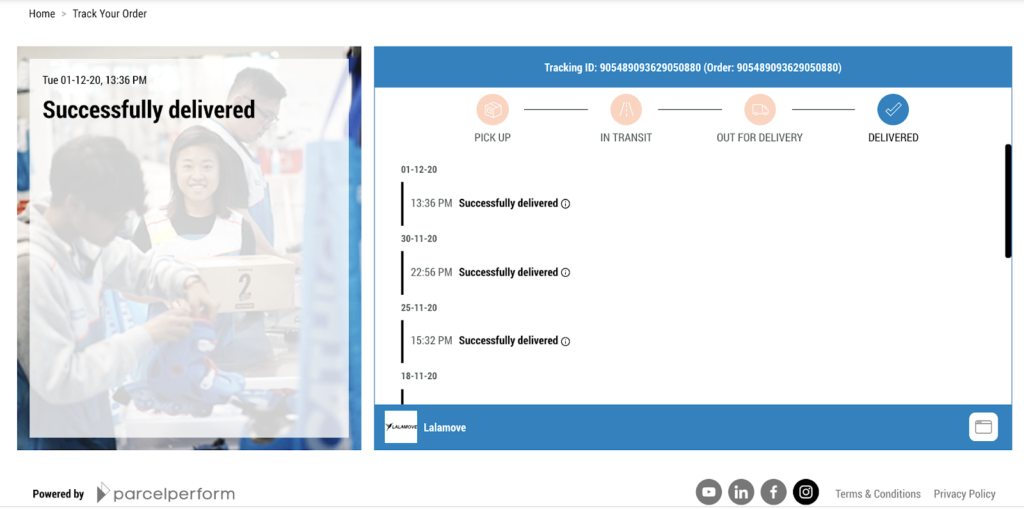
Take control of your post-purchase experience and stop sending your hard-earned customers to your logistics carriers after checkout just like Decathlon Singapore and Nespresso did with Branded Tracking Pages.
The order confirmation email notification:
This is the foundation of your post-purchase notifications. Customers look out for this email and are highly engaged; make full use of this opportunity! Go beyond communicating order information to encouraging future engagement from your customers with this notification.
The Issue or Delay notification:
Delays happen during the delivery process and they may be out of your control. But your customers will appreciate it if you keep them updated of any issues or updates to the delivery schedule. Keep them up to date with delivery issues and update them with a revised delivery schedule where possible.
Delivery updates:
Customers want to hear from you after the parcels have been shipped out! Don't miss these prime engagement opportunities to establish trust with them during this crucial period by providing estimates on delivery date,
Successful delivery confirmation:
Once the delivery is completed, it’s time to celebrate! Celebrate with your customers that they’ve received their item from you. You can even include links to product guides, how to set up their new product or suggestions, for instance.
Rate your delivery experience notification:
Customer engagement is a never-ending process, and your delivery notification is a prime location for talking to your customers or getting their feedback on where the delivery experience can be improved.
Once you've got the essentials in place, take a look at other enhancement opportunities for your post-purchase experience:
Personalize
Did you know personalized emails provided six times the revenue of generic emails and are a heavy influence in purchasing decisions? In delivery updates, customers are more likely to make repeat purchases with retailers who personalize their communications (Infosys). Areas you can apply personalization to:
Subject lines
Customer's first name/last name
References to order number/tracking IDs
Localization of notification content or languages
A/B test effectiveness of notifications
As with every communications initiative, when you've got a decent baseline of notification content set up, it's time to look at whether your notifications can be improved. Reference past engagement data like open & click rates and document your changes to make intentional improvements to your post-purchase notifications strategy. Set a hypothesis, run the test, document results and take action. Here are some A/B testing suggestions to optimize your post-purchase emails and SMS notifications:
Vary the tone of your messaging
Direct versus indirect call-to-actions
Placement of visuals or type of visuals used
Include promotional content to tap on exceptional engagement rate
Did you know delivery notifications and order confirmation communications command open rates of up to 80%? Imagine the feeling of urgency, excitement, and nervousness you got when you bought something online and waited for the first communication from the retailer? That's how your customers feel. It's a fantastic opportunity to tap on that heightened emotional state.
Promotional content you can include in your materials:
Marketing banners
References to items related to the customer's order for upselling or cross-selling
Link to loyalty programs or unique referral codes
Can branded post-purchase notifications contribute to my business’s bottom line?
A strong post-purchase communications strategy enables retailers to provide a positive experience during a time of heightened emotions and anticipation.
As we've established before, customers want personalized shopping experiences throughout the entire journey and are more likely to return to retailers who provide positive experiences for them.
It costs at least five times more to gain a new customer than keep an existing one. (Harvard Business Review)
Effective post-purchase communication through a branded tracking page or timed delivery notifications can:
Reinforces positive feelings your customer has throughout the purchasing process
Transform negative experiences into positive ones
Enhance efficiency and quality of customer service by proactively expecting customer service needs.
Why optimizing the post-purchase experience is crucial for success in 2021
Consumers today have a luxury of options to get their products from. Retailers, therefore, need to deliver an excellent customer experience in their stores to keep their customers coming back. 3 actionable steps you can take right away:
Determine where you are at now
How is the delivery of your customer's orders processed and fulfilled? Which milestones do you send notifications at? How do your delivery notifications look like - are they coming from your own brand or are they sent by your logistics partners?
Understand where you want to go
We've covered quite a few best practices and strategies in this article - understand what channels you have right now. How are they performing now? How much do you want them to improve by? Are there new channels or touchpoints you can introduce?
Collect the right data to monitor your performance
Transforming your post-purchase experience is a long-term affair. But start small and work incrementally. Document how your notifications are performing e.g. open & click rates, delivery speeds, and whether they affect your customer lifetime value, average order values and Net Promoter Score in the long run. By tracking how you're performing, you'll have a better understanding of how to optimize further.
Engage your customers by paying attention to their needs and focus on fulfilling them. Sweep them off their feet with world-class customer service. Deliver a customer experience they can’t forget. Your customers will thank you.Get started with developing branded delivery notifications for your customers with Parcel Perform’s Notification Centre.
You might also like
Why Ecommerce Brands Lose AI Rank Without Unified Data
AI search agents ignore marketing copy. Learn why unified carrier data is the ultimate trust signal for ecommerce.
May 05, 2026
Parcel Perform
Return Windows as Trust: Is Your 30-Day Policy a Marketing Lever or Just a Cost?
Stop treating reverse logistics as a sunk cost. See how AI uses return policies to rank brands and build buyer trust.
May 05, 2026
Parcel Perform
AI Context Window Optimization for E-Commerce
Stop losing AI search traffic to DOM truncation. Optimize your first 4k tokens to dominate AI recommendations.
Apr 30, 2026
Parcel Perform