
Adapt and thrive: An essential guide to US e-commerce logistics
Feb 21, 2024
Think of your last online order – that seamless journey from purchase to doorstep. It's a testament to US e-commerce logistics, driven by technology and infrastructure. With e-commerce sales reaching over $1 trillion in 2022 and a projected CAGR of roughly 8.9% through 2029, growth remains strong.
To stay ahead in this lucrative market, your business needs in-depth insights–that can be found in this report by Parcel Perform’s data and insights arm, Parcel Monitor.
Parcel Monitor's comprehensive report delves into the data behind those seamless customer journeys. Using billions of anonymized data points from 130+ countries and insights from over 1500 carriers, it reveals exclusive trends and actionable strategies to future-proof your e-commerce logistics in the US.
US e-commerce landscape: Innovation key to untapped potential
The pandemic accelerated e-commerce logistics, with US sales surging 43% in 2020. To meet demand, the US invested in innovative technologies like warehouse automation, a market projected to reach $30 billion by 2026. This shift transformed fulfillment efficiency and solidified e-commerce as a cornerstone of retail. The data and charts below illustrate the impact of the pandemic on e-commerce logistics growth, highlighting trends in technology adoption and customer behavior.
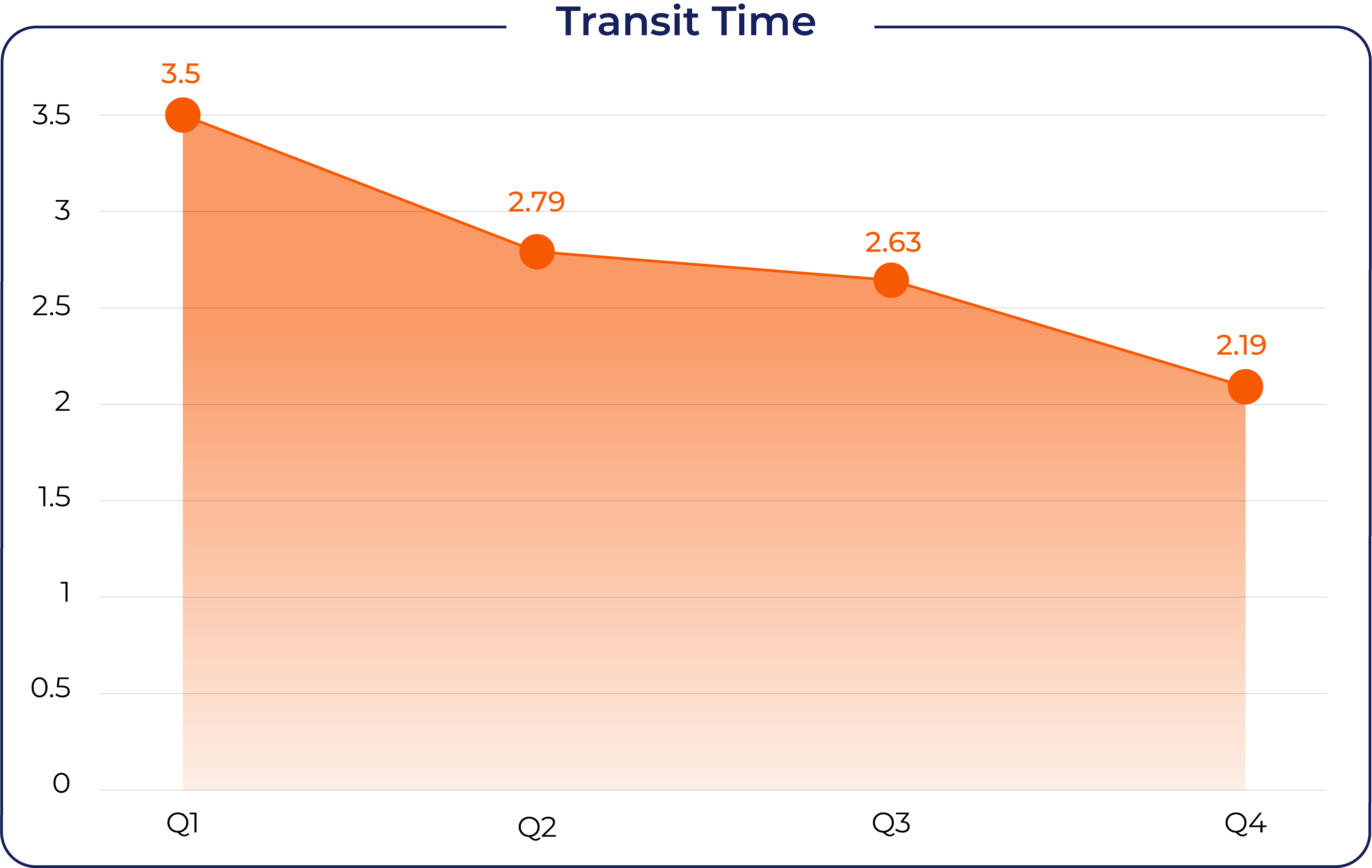
US parcel transit times improved significantly in 2022, dropping from 3.5 days to 2.19 days.
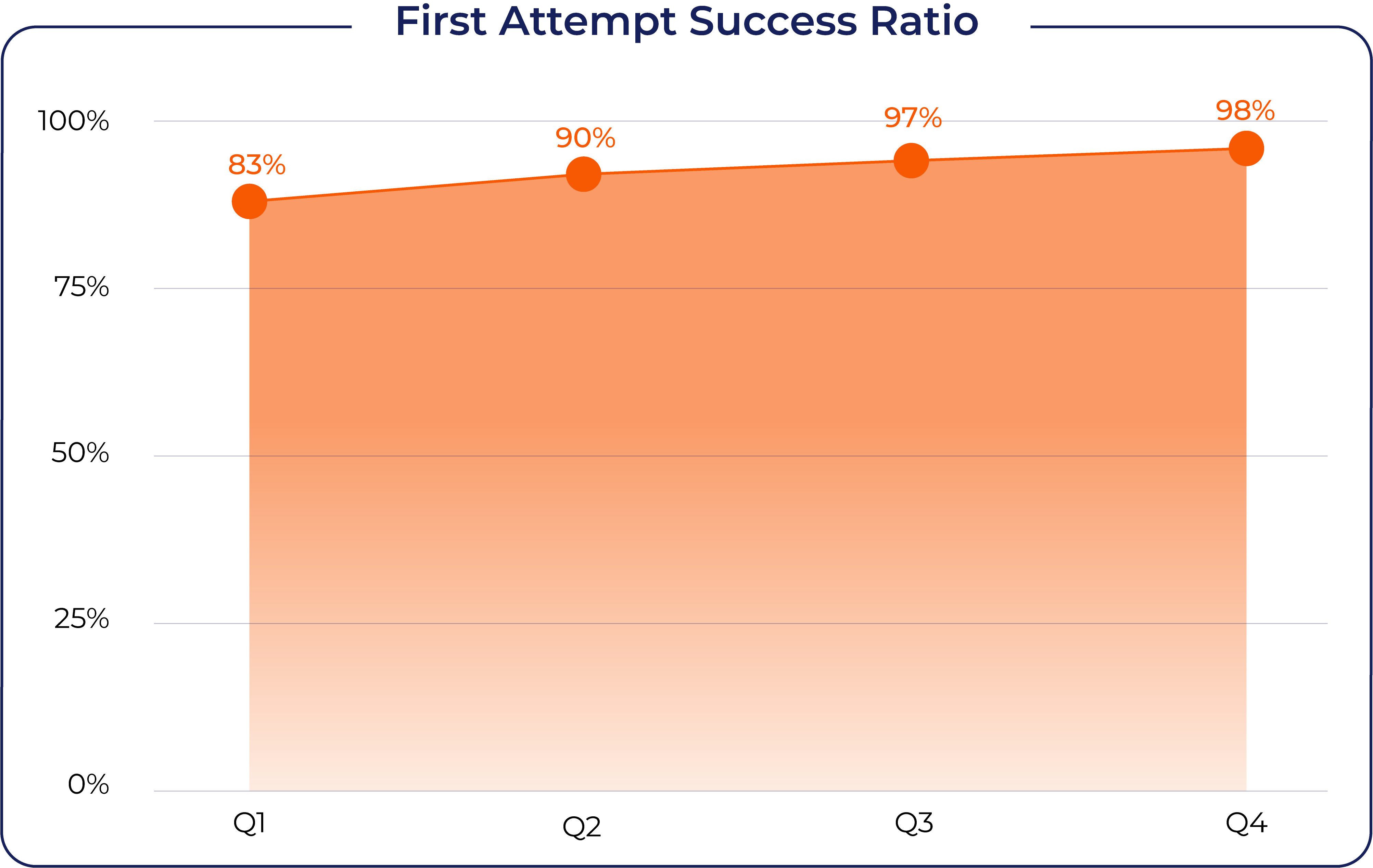
Steady increase in the first-attempt success rate of parcel deliveries from 83% in Q1 2022 to 98% in Q4 2022, and equalizing at 95% in H1 2023
Benefits: Higher customer satisfaction and potential cost savings for businesses in the long run.
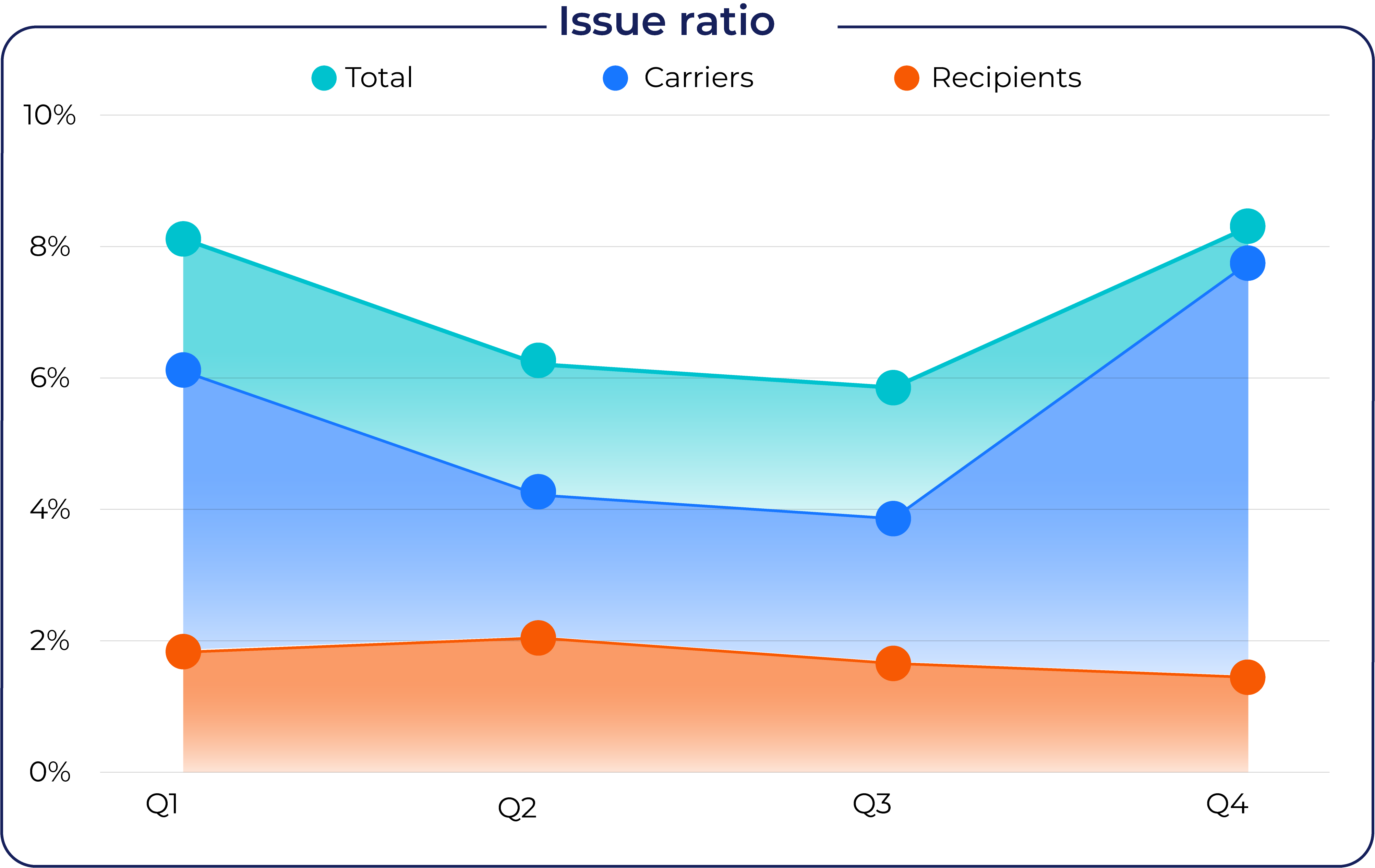
Delivery issues typically fall into two categories:
18% from the recipient side (e.g. not being present to receive the package)
82% from the carrier side (e.g. inability to react quickly to delivery disruptions).
US consumers prefer cost, speed, and convenience
Sustainable logistics is gaining popularity, with collection points as a greener delivery option. While US usage has fluctuated, accessibility is key for increasing consumer adoption.
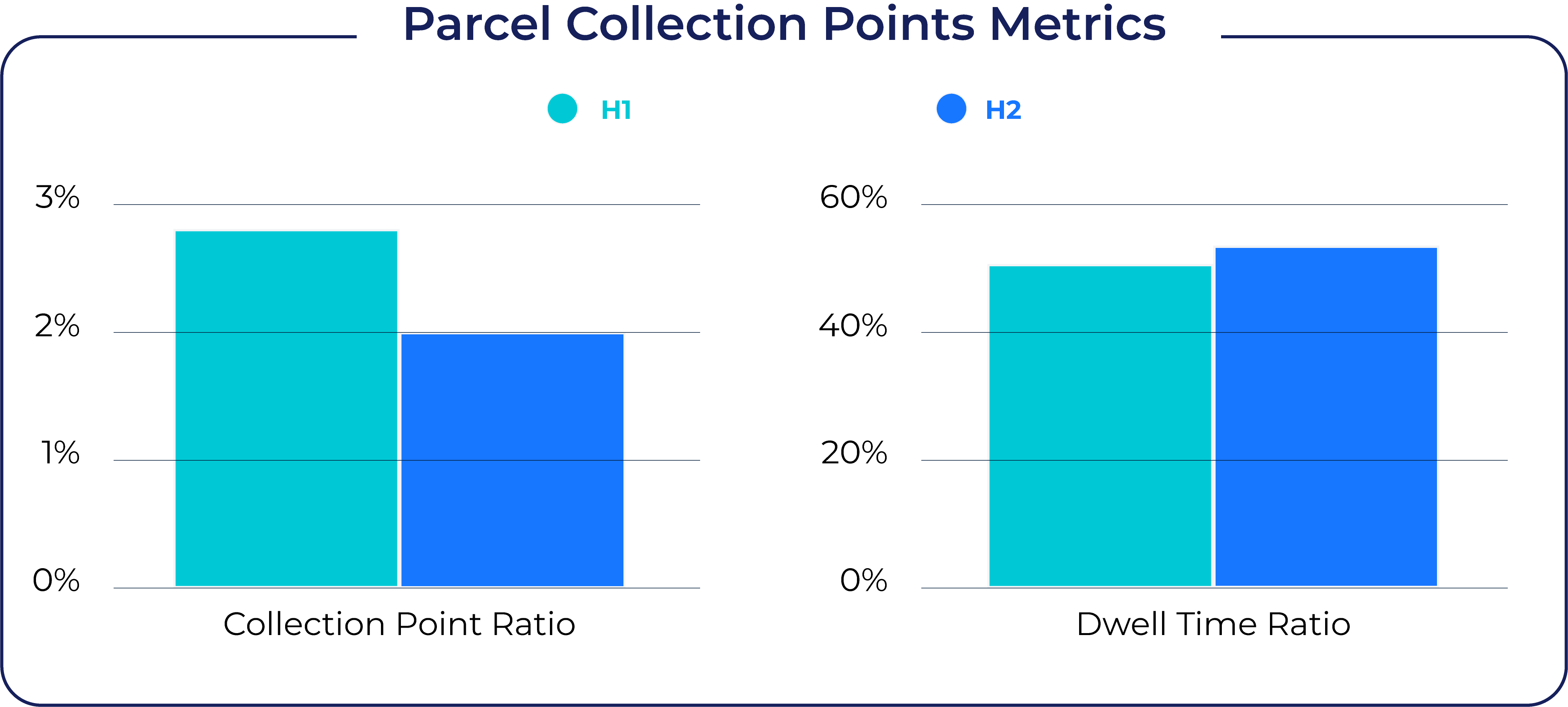
However, businesses need to keep in mind the consumer’s need for cost, and speed, while taking sustainability and convenience into consideration.
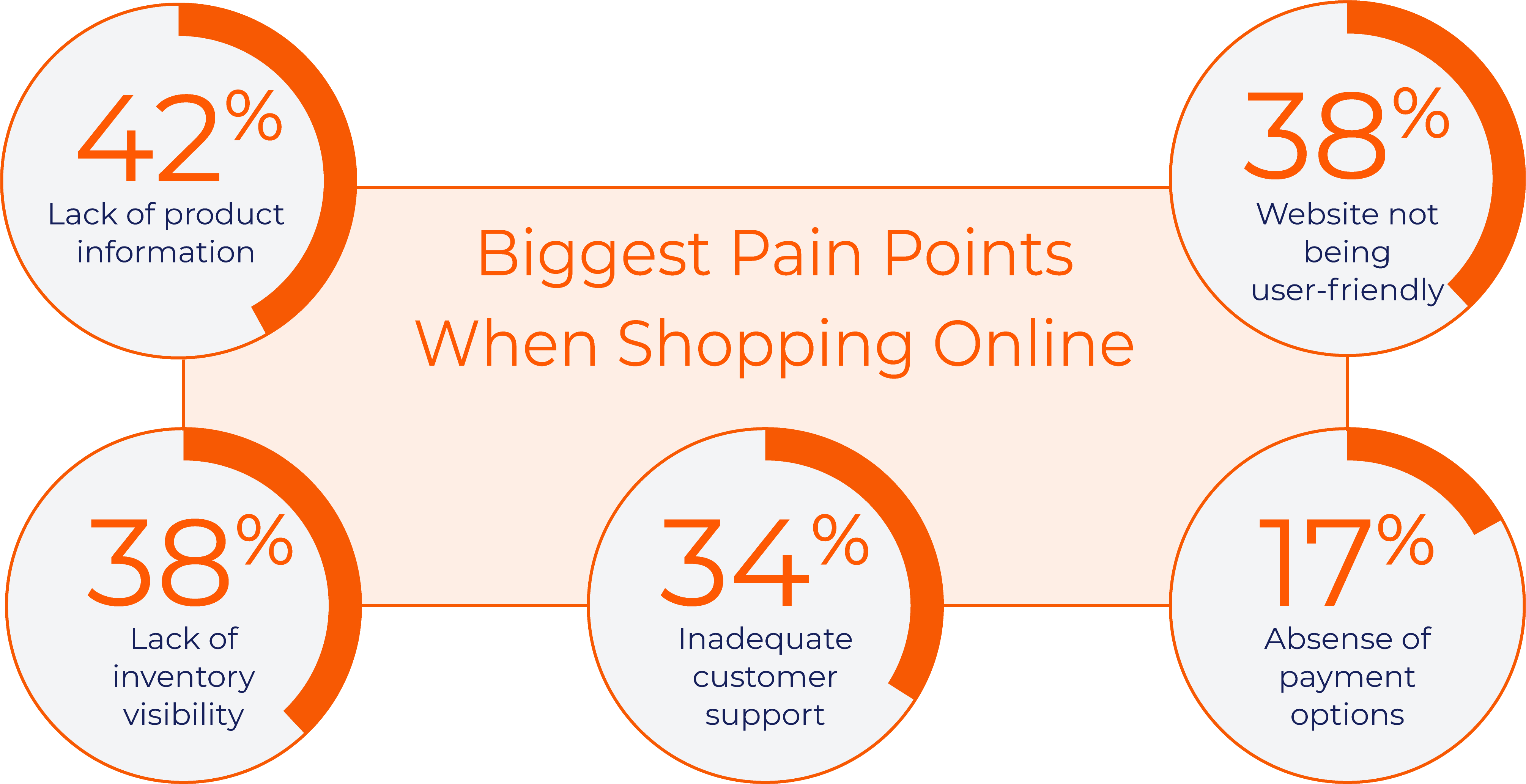
In recent surveys about online shipping, 42% of US consumers highlighted "lack of product information" as a source of frustration. Other notable pain points are:
Al ack of user-friendly websites (38%)
Limited inventory visibility (38%)
Slow or inadequate customer support (34%)
A shortage of payment options (17%)
These challenges can affect the customer experience significantly, and result in frustration, leading to lost sales for e-commerce businesses.
Preparing for future opportunities with logistics data
The insights we shared can be instrumental in understanding your markets better. But to leverage these insights, you would need to analyze your own logistics data. To do so, you would first need to consolidate data from your end-to-end logistics process and make this data readily accessible from a unified view.
Once you have a unified view of your logistics data, you can start to use it to improve your efficiency and effectiveness. After capturing post-purchase data and making it readily available in a simple platform, you get a holistic view of logistics operations and customer interactions. This this data at your fingertips, you unlock the potential to optimize four experiences in your business.
Checkout experience: Logistics data can be used to provide transparency into the post-purchase process. It arms customers with critical delivery information such as estimated delivery dates (EDD), and the best route options. Giving customers this information helps build trust, and gives customers the confidence to checkout–which translates to a reduction in cart abandonment and higher conversions that drive revenue growth.
Delivery experience: Make real-time tracking information easily accessible by your customers. This can be done via delivery update notifications or even self-service tracking portals on your website. Doing so can help to improve customer satisfaction, customer retention, and reduce the likelihood of involuntary returns. It also provides your business with a direct channel to your customers that can be used for brand awareness and upselling.
Returns experience: With data, merchants have the ability to automate a large part of the returns process, such as approvals. It also gives customers the option of performing frictionless self-service returns–starting from choosing refund alternatives, to generating return labels and returns status tracking. This can help to reduce the costs and hassles of returns, improve customer satisfaction, reduce “where is my refund” (WISMR) inquiries, and recapture revenue.
Logistics experience: Logistics data–when consolidated and readily available from a single platform–has the biggest impact on your logistics operations. It enables your logistics teams to optimize complex multi-carrier operations, gauge and benchmark performance, and proactively identify and resolve potential bottlenecks. With full visibility over carrier costs and performance metrics, you’re able to choose the best carrier partners for your e-commerce business.
Each individual experience contributes to the overall e-commerce post-purchase experience. However, when these experiences are combined with a unified data platform, e-commerce enterprises can unlock true business transformation. Instead of making incremental improvements, your business becomes better positioned to create the seamless and convenient post-purchase experience that customers want.
Data is the ideal co-pilot for your e-commerce business
Data unveils the hidden potential and visibility of each experience in your business, especially in post-purchase logistics. With an end-to-end platform, you gain real-time data insights from alerts, advanced reporting, and analytics. Your logistics team can proactively address delivery issues by setting alerts for delays and resolving them before they affect other deliveries.
You can also ensure carrier reports align with actual performance by comparing their reports against your data. This is crucial when working with multiple carriers, as each measures performance differently. Furthermore, you can derive insights from trends and patterns to understand your delivery performance, customer behavior, and market trends.
This non-siloed information drives strategic business decisions that enhance your competitive advantage and growth. Here's how logistics data improves post-purchase operations:
Data-driven decisions: Consolidating data offers a clear view of your logistics operations, transforming complex data into actionable business intelligence.
Proactive problem-solving: By standardizing carrier reporting formats, you can automate alerts for any issues, allowing immediate focus on resolutions.
Tracking carrier performance: Monitor the performance of your carriers to identify deviations from service levels and ensure you pay only for delivered services.
Getting your business ready for opportunities in the US market
The US e-commerce market is growing rapidly, with a projected value of $755 billion by 2025. This growth presents opportunities for businesses. However, consumer preferences are changing. Businesses need to use logistics data to meet the unique demands of consumers.
Parcel Perform, a logistics data, and delivery experience platform, allows businesses to leverage data to address challenges in the post-purchase process. It enables effective management of end-to-end logistics operations, transforming raw data into actionable insights. This enhances efficiency and customer satisfaction.
The Parcel Perform Data and Delivery Experience Platform is created with large e-commerce enterprises in mind and can help streamline operations and improve customer experience. With Parcel Perform, your business can:
Get real-time visibility into your supply chain
Identify and resolve potential problems before they impact customers and revenue
Reduce operational costs and improve efficiency
Increase customer satisfaction and loyalty to achieve growth
If you're a business looking to achieve growth in the US market, Parcel Perform is the partner for you. Contact us today to learn more about how we can help you reach your goals.

You might also like

The Compliance Time Bomb: Why Your Dropshipping Tech Stack is a Ticking Liability
Your app stack is a compliance risk. Stop patchwork liability. Move to a unified, secure platform for AI-readiness.
Feb 16, 2026