

Conversational Commerce: Why Post-Purchase Is the Hardest Part to Automate
Why Post-Purchase Automation Fails in E-commerce
When a customer asks a chatbot where their missing package is, a generic response based on stale tracking data only escalates the issue. While the global market is predicted to grow from USD 17.2 billion in 2025 to approximately USD 63.4 billion by 2034, the post-purchase phase of conversational commerce remains a distinct operational challenge. Retailers frequently deploy chatbots to handle the influx of inquiries, but these systems break down when confronted with the nuanced realities of shipping delays, damaged goods, and complex return policies.
The checkout phase is highly controlled, but the moment a parcel leaves the warehouse, the variables multiply. A package might be held at customs, misrouted by a local depot, or left with an unknown neighbor. True automation requires deep integration with carrier networks and order management systems.
The Promise of Conversational Commerce: Setting the Stage for CX
Customer service teams face relentless pressure to manage ticket volumes while controlling overhead. AI-driven chat interfaces offer a compelling mathematical advantage for retail operations. Industry data shows that conversational AI helps companies reduce customer service costs by 15% to 70%. By intercepting basic queries before they reach a human agent, retailers protect their gross margins and keep support queues manageable.
The standard playbook involves training an agent to answer "where is my order" (WISMO) questions. When a shopper asks for a status update, the bot retrieves the latest carrier scan. For standard, on-time deliveries, this transaction works perfectly. The shopper gets an immediate answer, and the support team avoids a repetitive, low-value ticket. The financial logic is sound, driving widespread adoption of these tools across the e-commerce sector.
However, this basic deflection strategy only covers the easiest scenarios. The moment a delivery deviates from the expected path, the limitations of a simple conversational interface break. Retailers mistake the ability to parse a tracking number for genuine post-purchase automation, leaving their operations vulnerable when real-world logistics problems occur.
Beyond the Hype: The Unique Complexity of Post-Purchase
The checkout phase is transactional; the post-purchase experience is emotional. Once a customer's payment clears, their expectation shifts from discovery to fulfillment. If a parcel stalls in transit, anxiety spikes. The customer is no longer browsing; they are waiting for an item they already own, making any friction highly damaging to brand perception.
Despite heavy investments in automation, consumer confidence remains low. Only a third of shoppers feel brands provide proactive customer service well in the post-purchase phase. When a delivery goes wrong, a generic chatbot response—such as "your order is on the way"—escalates frustration rather than resolving it. The automation gap exists because post-purchase reality is rarely binary.
A package is not simply "shipped" or "delivered." It exists in a complex state of transit involving multiple handoffs. If an AI agent cannot interpret the difference between a routine transit scan and a critical delivery exception, it cannot provide meaningful assistance. This lack of operational legibility forces the customer to bypass the automation and seek out a human agent anyway.
The Human Element: Why Empathy Defies Simple Automation
When a high-value order goes missing, shoppers want reassurance and immediate action, not a rigid logic tree. For complex issues such as payment disputes or lost shipments, 40% of customers prefer talking to a real person on the phone. Human agents possess the critical thinking required to bend a policy, issue an immediate replacement, or de-escalate a tense situation.
Conversational agents lack the context to manage these high-stakes interactions. If a bot repeatedly asks a frustrated customer to provide an order number they already entered, the interaction fails entirely. Data shows that 60% of customers will repeat themselves only once before abandoning an automated customer service experience, and 11% will leave the first time they are asked to repeat anything.
Automation must augment the human support team, not act as an impenetrable wall between the buyer and the brand. When an AI agent detects a complex delivery failure, it should immediately route the ticket to a specialized CX representative, complete with the full tracking history and customer context. This hybrid approach preserves efficiency while protecting the customer relationship.
Navigating the Labyrinth: Returns, Exchanges, and Unpredictable Issues
Reverse logistics introduces a massive layer of complexity to conversational commerce. Processing a return requires coordinating inventory systems, carrier networks, and payment gateways. The financial stakes are severe. Returns reached $849.9 billion in 2025, with businesses losing $0.85 for every $1 of returned merchandise.
A conversational agent attempting to automate a return must parse the reason for the return, verify policy eligibility, generate a shipping label, and track the inbound parcel. If the system cannot access real-time returns management data, it forces the customer to wait for manual approval. This friction destroys the chance of converting a return into an exchange, cementing the revenue loss.
Furthermore, the physical reality of returns—finding a box, printing a label, locating a drop-off point—cannot be solved by chat alone. The automation must connect to physical logistics infrastructure, offering options like drop-off search across multiple carriers and on-demand label generation. Without these backend connections, the conversational interface is an empty promise.
The Integration Conundrum: Connecting Disparate Systems
The root cause of failed post-purchase automation is data fragmentation. A chatbot is only as intelligent as the data it can access. If the order management system, the warehouse software, and the carrier tracking API do not communicate in real time, the AI operates in the dark, providing outdated or conflicting information to the buyer.
Commerce is shifting toward agentic commerce, where AI agents discover, compare, and buy for shoppers. These systems require clean, connected, machine-readable commerce data to function. When post-purchase data is siloed, neither consumer-facing chatbots nor autonomous shopping agents can accurately determine the status of an order.
Standardizing this data across hundreds of regional and global carriers is a prerequisite for effective automation. Carriers use different event codes, time zones, and terminology. Until this raw data is normalized into a single, coherent timeline, any conversational AI layered on top will struggle to provide accurate, actionable answers to customers.
The Pitfalls of Poor Automation: When AI Falls Short
Implementing rigid automation in the post-purchase phase carries significant risk. A poorly configured bot that traps a customer in an endless loop damages brand equity faster than a slow human response. Customers quickly learn to bypass unhelpful bots by spamming social media channels or initiating chargebacks.
Retailers make the mistake of deploying conversational tools as a deflection tactic rather than a resolution engine. When an AI agent cannot execute an action—such as updating a delivery address, rerouting a package, or issuing a partial refund—it merely delays the inevitable support ticket. This cascading failure increases handling times.
The result is a system that drives up the exact costs the automation was supposed to reduce. Support agents spend their time apologizing for the bot's incompetence rather than solving the underlying logistics issue. To succeed, automation must be granted the authority and the data access required to actually resolve post-purchase problems.
Parcel Perform's Approach: Intelligent Automation for Post-Purchase Excellence
To fix the automation gap, brands need a structured data foundation. Parcel Perform's Post-Purchase Experience standardizes delivery data, allowing brands to automate communication without sacrificing accuracy. By processing 100bn+ parcel updates a year across 1,100+ global carrier integrations, the engine translates fragmented carrier codes into 155+ harmonized event types.
This structured data powers the tracking page and automated notifications, ensuring that customers receive proactive, accurate updates before they ever need to ask a chatbot. When issues do arise, the AI engine assists customer success teams by instantly surfacing specific shipment statuses and configuration details, augmenting your people, further.
For reverse logistics, the returns experience provides an online self-service returns portal with automated approvals and returns notifications. This infrastructure allows brands to handle complex scenarios efficiently. Customer service teams monitor performance through reporting tools, while marketing teams use campaign managers to embed targeted offers directly into the tracking flow, recovering revenue during the post-purchase window.
Building Loyalty in the Toughest Phase: The Future of Post-Purchase CX
The post-purchase phase dictates whether a buyer returns for a second purchase. Automating this journey requires more than a conversational interface; it demands a unified data layer that connects the checkout promise to the final delivery and potential return.
The next frontier of e-commerce will not be defined by how human a chatbot sounds, but by how much operational authority it holds. As autonomous shopping agents begin negotiating directly with retailer APIs, the tolerance for fragmented post-purchase data will drop to zero. A conversational interface that cannot execute a reroute or authorize a return instantly will soon be indistinguishable from a broken link. The gap between a polite deflection and a resolved exception is where margin is won or lost—a reality visible at https://resources.parcelperform.com/demo.
Frequently Asked Questions
Why do conversational AI bots struggle with post-purchase queries?
Conversational AI bots often fail post-purchase because they lack access to real-time, standardized logistics data. When a delivery exception occurs, a bot relying on basic tracking APIs cannot interpret the nuance of the delay, leading to generic responses that frustrate customers rather than resolving the issue.
How does data fragmentation impact customer service automation?
Data fragmentation prevents AI agents from seeing the full picture. If order management, warehouse, and carrier systems are siloed, the automation cannot accurately determine an order's status. Standardizing this data is essential for enabling effective conversational commerce interactions.
What makes reverse logistics so difficult to automate?
Returns involve multiple variables, including policy verification, inventory routing, and label generation. Automating this requires deep integration with physical carrier networks and payment systems. Without a dedicated returns or reverse logistics infrastructure, bots cannot process these requests efficiently.
Should retailers replace human agents with AI for post-purchase support?
No. AI should augment human teams, not replace them. While automation handles routine WISMO queries, complex issues like lost high-value items or payment disputes require human empathy and critical problem-solving skills that current AI models cannot replicate.
How will agentic commerce change post-purchase automation?
As AI shopping agents begin managing purchases on behalf of consumers, post-purchase data must become entirely machine-readable. Retailers will need to provide structured delivery and returns data directly to these autonomous agents, shifting the focus from human-facing chatbots to seamless system-to-system communication.
#Businessleaders
#ITprocurementteams
#Customerserviceteams
#Logisticsoperations
#Ecommercemarketing
#Track
About The Author

Parcel Perform is the leading AI Delivery Experience Platform for modern e-commerce enterprises. We help brands move beyond simple tracking to master the entire post-purchase journey—from checkout to returns. Built on the industry's most comprehensive data foundation, we integrate with over 1,100+ carriers globally to provide end-to-end logistics transparency. Today, we are pioneering AI Commerce Visibility—a new standard for the age of Generative AI. We believe that in an era where AI agents act as gatekeepers, visibility is no longer just about keywords; it’s about proving operational excellence. We empower brands to optimize their trust signals (like delivery speed and reliability) so they are recognized by AI, recommended by algorithms, and chosen by shoppers.
You might also like
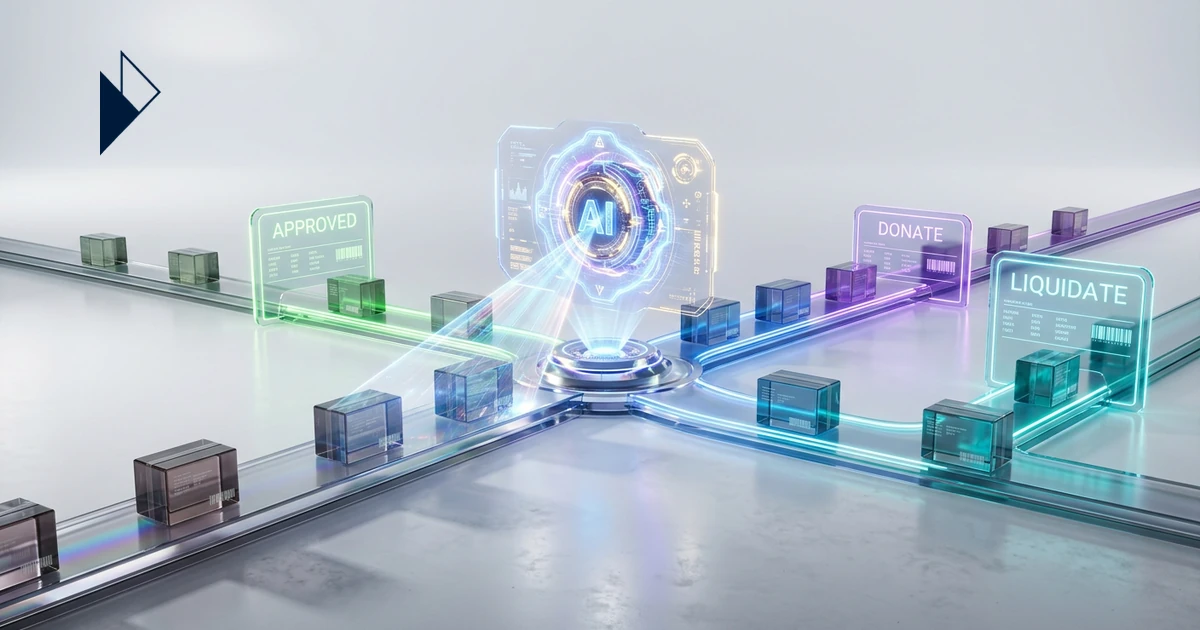
AI Returns Management: How Agents Triage and Route Ecommerce Returns
Returns are a massive cost center. AI agents can triage and route them automatically, turning a problem into an
Aug 06, 2026
Parcel Perform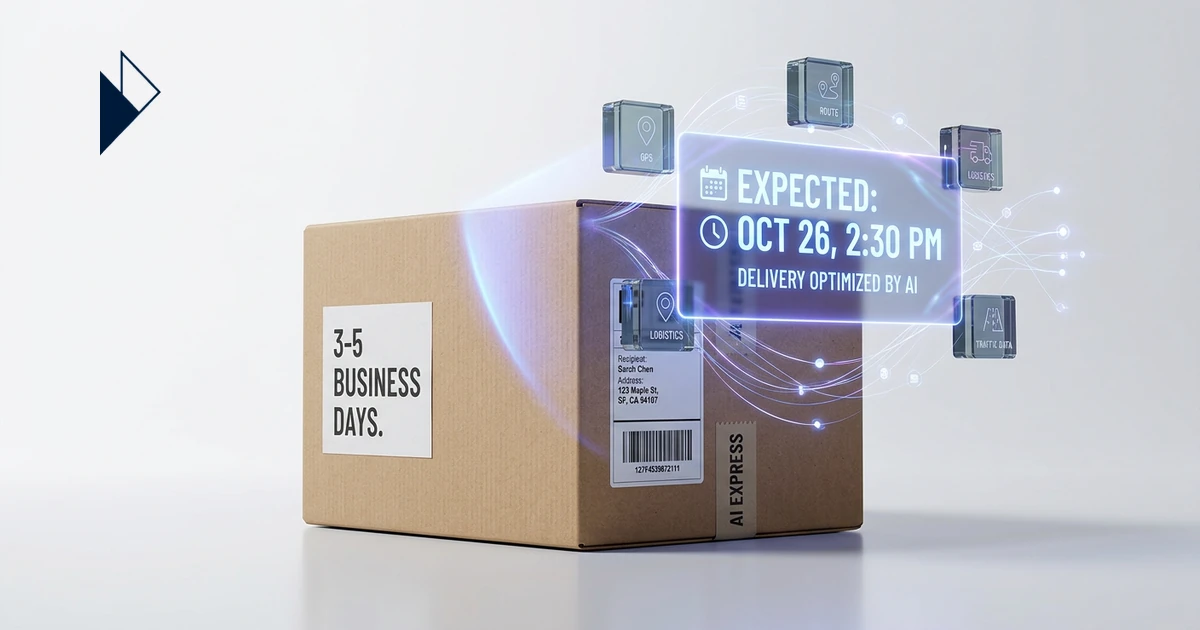
AI Personalization Beyond Product Recs: Personalizing the Delivery Promise
Move beyond product recommendations. See how AI personalizes the delivery promise to drive conversion and trust.
Aug 05, 2026
Parcel Perform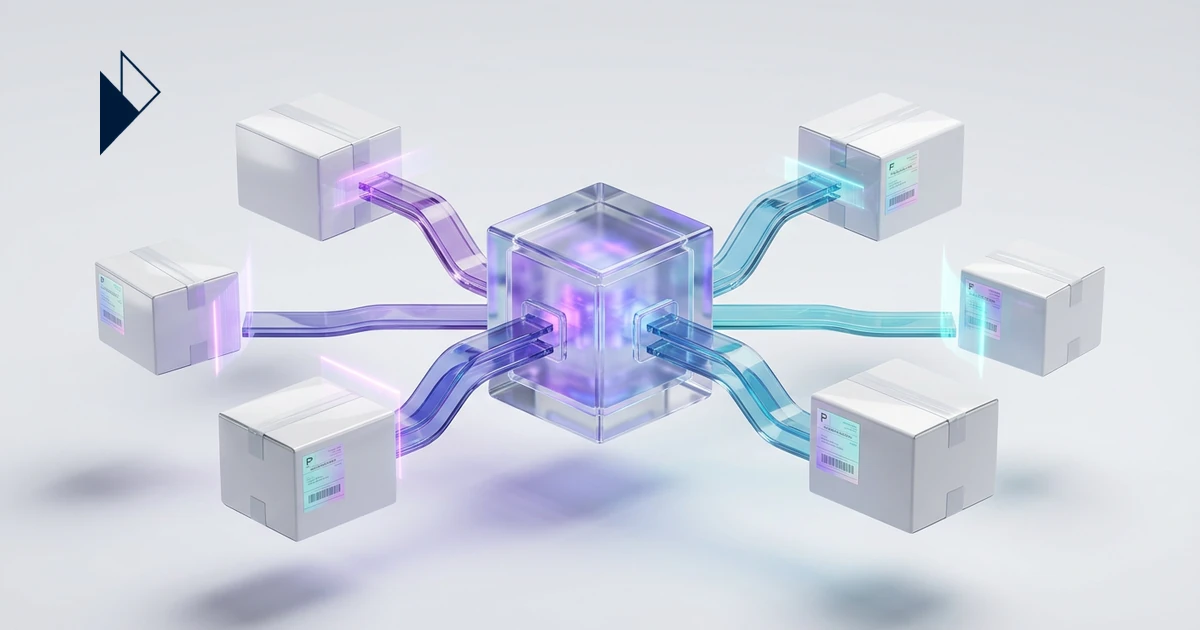
AI Order Management: How Agents Reroute Ecommerce Orders in Real Time
See how AI order management agents reroute e-commerce deliveries in real time to protect margins and customer trust.
Aug 04, 2026
Parcel Perform